


La cenerentola

Melodramma giocoso in two acts by Gioachino Rossini (1792–1868)
Libretto by Giacopo Ferretti

From 31. December 2019 until 12. January 2020

  • Duration :
    3 H. 15 Min. Inkl. Pause after 1st act after approx. 1 H. 40 Min.
  • Language:
    In Italian with German and English surtitles.
  • More information:
    Introduction 45 min before the performance.

Music Direction:
Gianluca Capuano

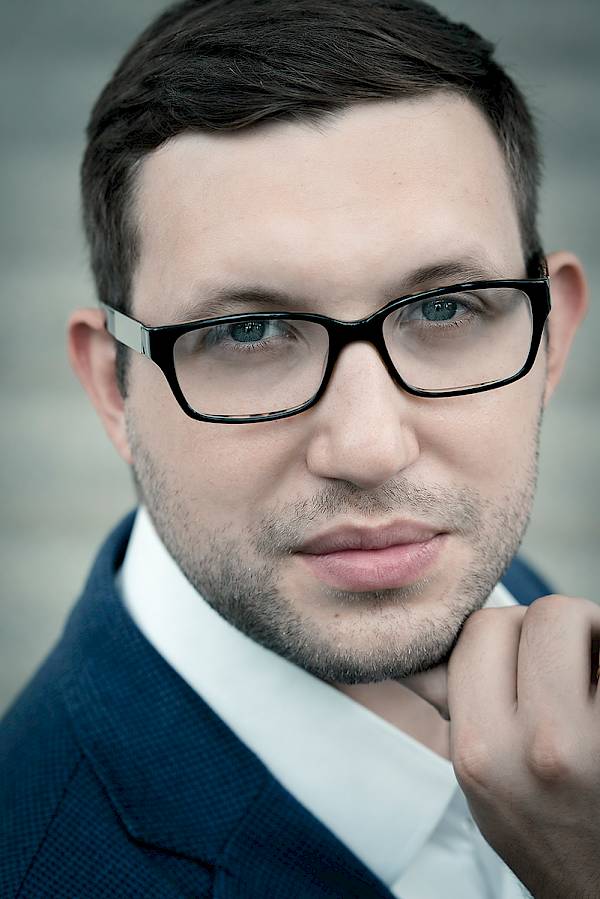
Gianluca Capuano

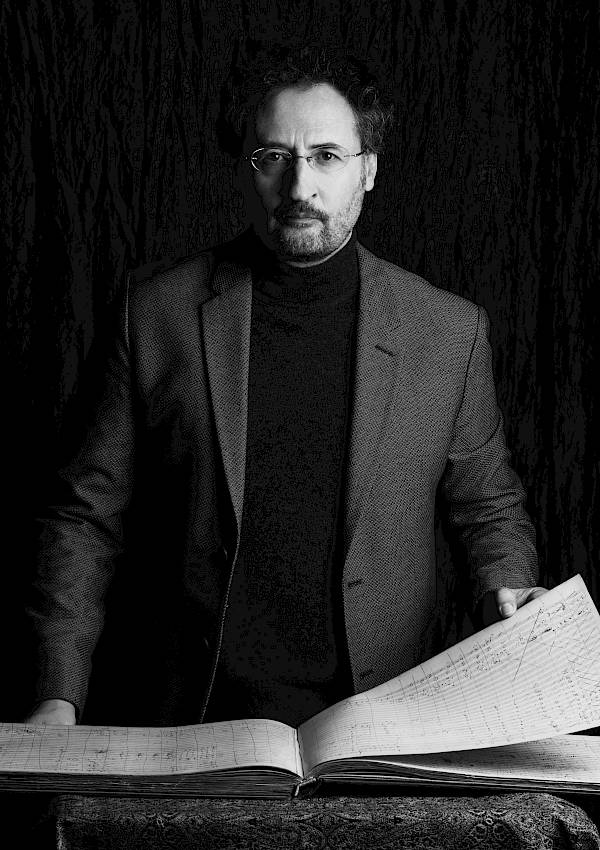
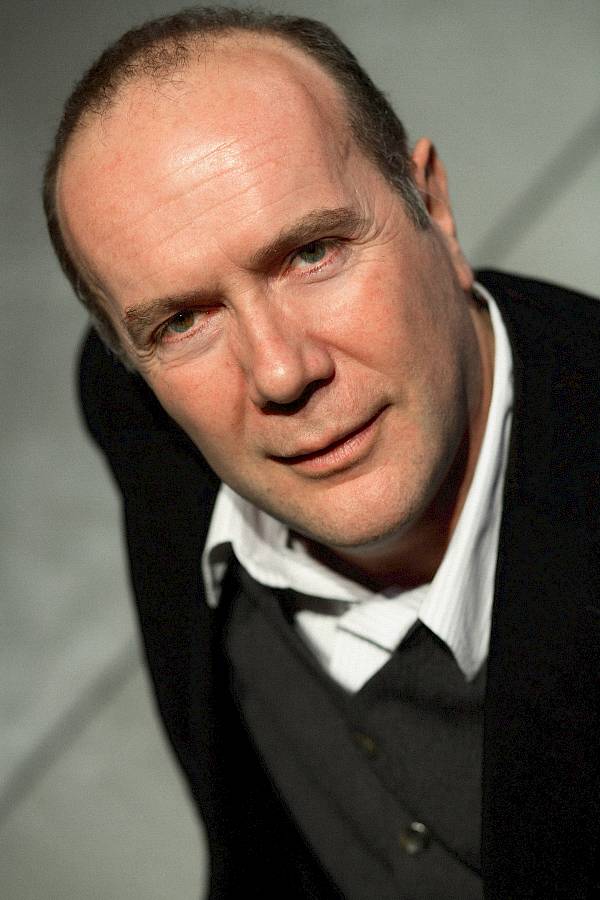
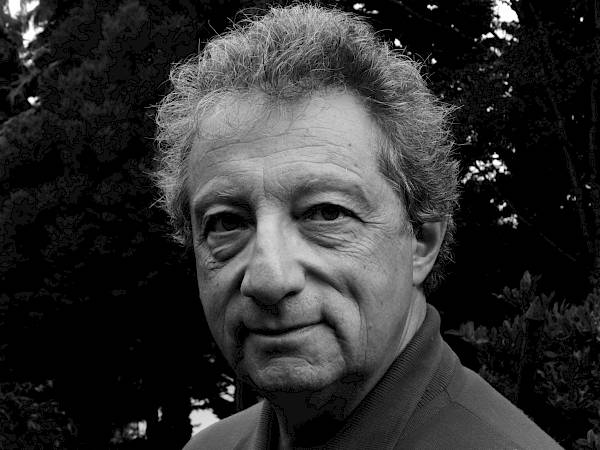
Gianluca Capuano studied organ, composition, and conducting at the conservatory of his hometown Milan, as well as historical performance practice at the Civica Scuola di Musica. In 2015 he made his debut at the Semperoper Dresden with Händel’s "Orlando", and in 2016 at the Zurich Opera House with Haydn’s "Orlando paladino". In the same year he conducted "Norma" with Cecilia Bartoli in the title role for the opening of the Edinburgh Festival, followed by performances in Paris and Baden-Baden. In 2017 he undertook a European tour of "La Cenerentola" with Cecilia Bartoli. He has conducted, among others, "Ariodante" and "Alcina" at the Salzburg Festival, the "Weihnachtsoratorium" and "L’elisir d’amore" at the Hamburg State Opera, "Orfeo ed Euridice" in Rome, "Il matrimonio segreto" in Amsterdam, "L’elisir d’amore" at the Teatro Real in Madrid, "La finta giardiniera", "La Cenerentola", "Iphigénie en Tauride", and "L’italiana in Algeri" in Zurich, "Le nozze di Figaro" at the Bolshoi Theatre in Moscow, and "Il turco in Italia", "Semele", "Norma", and "La Cenerentola" at the Bavarian State Opera. His most recent engagements include "La clemenza di Tito" and "Das Rheingold" at the Opéra de Monte-Carlo, "Hotel Metamorphosis" at the Salzburg Festival, "La Cenerentola" at the Teatro alla Scala, "Il barbiere di Siviglia" at the Vienna State Opera, and "Die Entführung aus dem Serail" at the Teatro Regio di Parma. In 2022 he received the Premio Abbiati as "Conductor of the Year". With his ensemble Il canto di Orfeo, founded in 2005, he focuses primarily on works of the late Renaissance and the Baroque. Since 2019 he has been Chief Conductor of the ensemble Les Musiciens du Prince – Monaco, with whom the CD recording "Rhapsody" was recently released.

Giulio Cesare in Egitto11 / 13 / 15 / 17 / 21 / 25 / 28 Mar 2026
Director:
Cesare Lievi

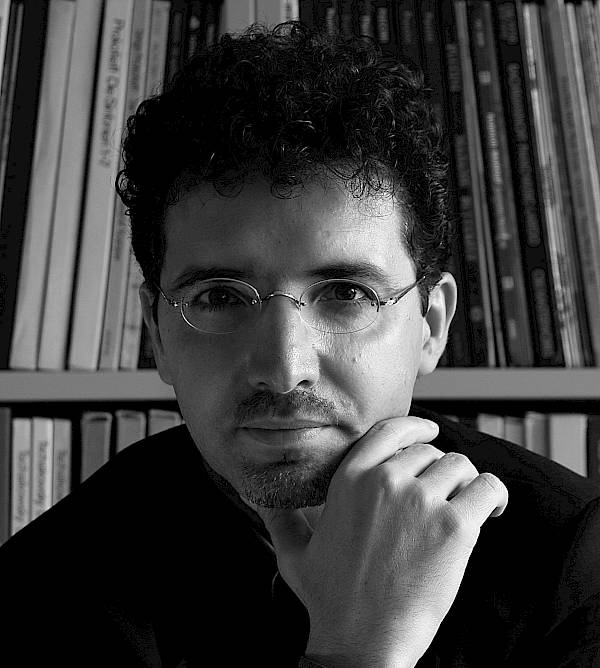
Cesare Lievi

Cesare Lievi kommt aus Gargnano am Gardasee und ist als Regisseur, Dramaturg und Autor tätig. Er inszenierte zahlreiche Schauspiele, u.a. von Hofmannsthal, Pirandello, Beckett, Goethe, Hölderlin und Strindberg, an Häusern wie der Schaubühne Berlin, dem Burgtheater Wien, dem Thalia Theater Hamburg und dem Theater Basel. Mehrfach wurden seine Arbeiten zum Theatertreffen Berlin eingeladen.  Als Opernregisseur inszenierte er u.a. La Cenerentola an der Met in New York, die Uraufführung von Schlafes Bruder sowie Le Villi, Pagliacci, Nina, Il turco in Italia, La Cenerentola und Guilio Cesare am Opernhaus Zürich, Manon in Berlin, The Rake’s Progress in Modena, Der Ring des Nibelungen in Catania und Il barbiere di Siviglia in Bonn. Sein Theaterstück Die Sommergeschwister wurde in seiner Regie an der Schaubühne Berlin uraufgeführt. Ausserdem wurde er für seine Inszenierung von Kleists Der zerbrochene Krug in Brescia mit dem italienischen Kritikerpreis für «Beste Regie» ausgezeichnet. 2022 entstanden Il trovatore am Teatro del Maggio Musicale in Florenz und Die Fledermaus am Teatro Carlo Felice in Genua.

Stage and costume design:
Luigi Perego

Luigi Perego

Luigi Perego stammt aus Barzano (Como) und studierte in Mailand an der Accademia Belle Arti di Brera, wo er sich zum Bühnenbildner ausbilden liess. Seit 1983 arbeitete er im Bereich des Schauspiels an namhaften italienischen und europäischen Bühen, darunter am Wiener Burgtheater, am Thalia Theater Hamburg, der Schaubühne Berlin, am Schauspiel Bonn, am Teatro Eliseo in Rom und am Teatro Stabile in Turin. Seit 1991 ist er als Ausstatter auch im Bereich der Oper tätig. Wichtige Arbeiten waren «Tosca» und «Nabucco» in Turin, «Così fan tutte» in Palermo, «Le nozze di Figaro» in Cagliari, «Don Giovanni» in Köln, «Manon» an der Deutschen Oper Berlin, «The Rake’s Progress» in Catania, «La voix humaine» in Bari sowie «Pagliacci», «Cavalleria rusticana» und «Idomeneo» für das New National Theatre in Tokio. Für das Opernhaus Zürich schuf er die Ausstattungen zu «Capriccio», «Ariadne auf Naxos», «La Cenerentola», «Don Pasquale», «Un giorno di regno», «Il barbiere di Siviglia», «I quattro rusteghi, «Il segreto di Susanna», «Gianni Schicchi», «L’italiana in Algeri», «Cavalleria rusticana» und «Pagliacci». 2007 wurde Luigi Perego mit dem «Chioma di Berenice»-Preis für die Ausstattung von Pirandellos «L’uomo la bestia e la virtù» am Teatro Eliseo in Rom ausgezeichnet (Regie: Fabio Grossi). Weitere wichtige Projekte waren «L’amore di Fedra» von Sarah Kane, Schnitzlers «Contessina Mizzi», Pirandellos «Il piacere dell’onestà», «Don Giovanni» in Tokio und «Die Walküre» in Bari. Luigi Perego arbeitet mit namhaften Opern- und Schauspielregisseuren zusammen, u.a. mit Cesare Lievi, Lorenzo Mariani, Daniele Abbado, Grischa Asagaroff, Beppe Navello, Marco Parodi, Gigi Proietti, Mario Missiroli und Walter Pagliaro.

Lighting designer:
Gigi Saccomandi
Chorus Master:
Ernst Raffelsberger

Ernst Raffelsberger

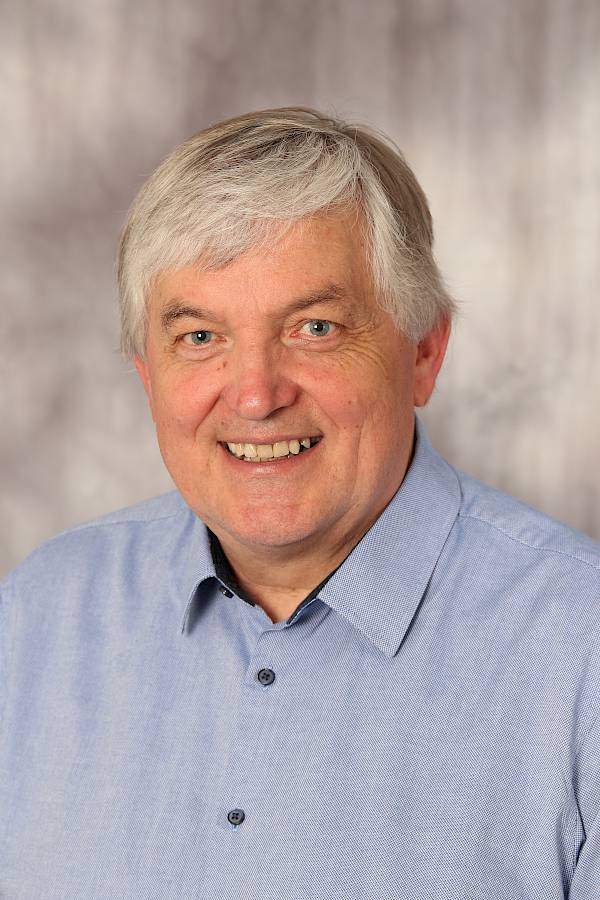
Ernst Raffelsberger comes from Gmunden, Upper Austria. He studied music education and church music at the University of Music and Performing Arts in Vienna, as well as choral conducting at the Salzburg Mozarteum. From 1983 to 1986, he was Kapellmeister of the Vienna Boys’ Choir. During this time, he led the ensemble in Vienna and on tours throughout Europe, South Africa, Canada, and the USA. Starting in 1986, Ernst Raffelsberger served as Chorus Director and Kapellmeister at the Landestheater Salzburg (participating in the Salzburg Mozart Week and the Salzburg Festival). In 1989, he moved to the theater in Freiburg im Breisgau as Chorus Director and Kapellmeister. Since autumn 1993, Ernst Raffelsberger has been engaged as Chorus Director at the Zurich Opera House. By now, he has overseen around 150 premieres and countless revivals, collaborating with many renowned conductors such as Marco Armiliato, Riccardo Chailly, Teodor Currentzis, Christoph von Dohnányi, Sir John Eliot Gardiner, Daniele Gatti, Bernard Haitink, Nikolaus Harnoncourt, Zubin Mehta, Gianandrea Noseda, and Franz Welser-Möst. Guest performances with the Zurich Opera House have taken him to Vienna, London, Paris, and Tokyo. Beginning in the summer of 2012, he additionally started a 10-year tenure as Chorus Director of the Concert Association of the Vienna State Opera Chorus at the Salzburg Festival. Here, he successfully collaborated with, among others, Riccardo Muti, Mariss Jansons, and Sir Simon Rattle. After concluding this work with the 2021 festival summer, he has once again been responsible—since 2025 and at the request of Maestro Muti—for the choral preparation for his festival concerts in Salzburg.

Numerous CD and DVD recordings document his work in both Zurich and Salzburg.

Manon24 / 27 Sept / 3 / 7 / 10 Oct 2025 Tosca28 Sept / 2 / 8 / 11 / 15 / 19 Oct 2025 La clemenza di Tito26 / 29 Apr / 3 / 8 / 15 / 17 / 20 / 25 May 2026 Madama Butterfly30 Dec 2025 / 3 / 9 / 11 / 13 / 16 Jan 2026 Le nozze di Figaro24 / 29 Jan / 1 / 5 / 7 / 10 / 14 Feb 2026 Die Fledermaus7 / 10 / 12 / 14 / 18 / 26 / 28 / 31 Dec 2025 / 2 / 4 / 6 / 10 Jan 2026 Messa da Requiem20 / 22 / 28 Feb / 1 / 5 / 7 Mar / 6 Apr 2026 Arabella14 / 18 / 22 / 25 / 28 Apr 2026

Cast


Angelina, genannt Cenerentola Cecilia Bartoli


Don Ramiro, Prinz von Salerno Javier Camarena


Dandini, sein Diener Oliver Widmer


Don Magnifico, Vater von Clorinda und Tisbe Alessandro Corbelli


Tisbe Liliana Nikiteanu


Clorinda Martina Janková


Clorinda Rebeca Olvera 02 Jan


Alidoro, Philosoph, Don Ramiros Lehrer Stanislav Vorobyov

Continuo Hammerklavier Andrea Del Bianco


Hammerklavier Enrico Maria Cacciari

Cecilia Bartoli

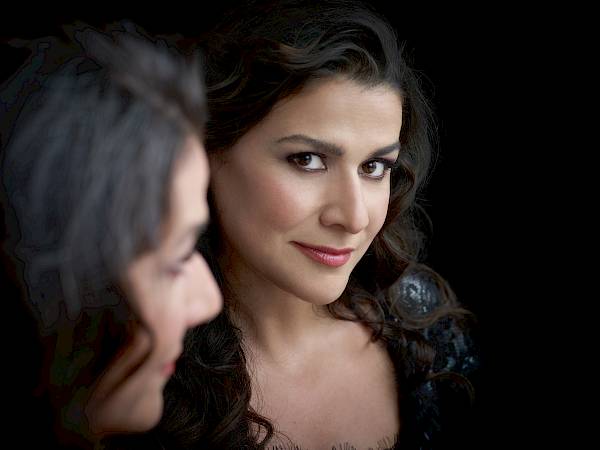
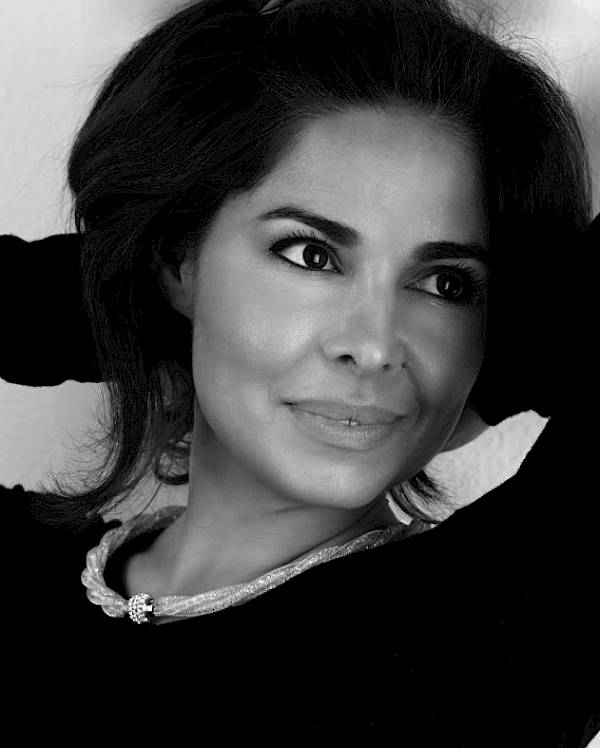
Cecilia Bartoli has established herself as one of the world’s leading classical musicians with her magnificent stage career spanning more than 40 years. Born in Rome and trained by her mother, the voice teacher Silvana Bazzoni, she was discovered by Daniel Barenboim, Herbert von Karajan and Nikolaus Harnoncourt. Milestones included, among others, the very first staging of Rossini’s “Cenerentola” at the New York Met in 1997; the legendary “Vivaldi Album,” which since 1999 has sold millions of copies; the 2008 Paris concert marathon marking Maria Malibran’s 200th birthday; her radically new approach to Bellini’s “Norma” in 2013, which also resulted in a scholarly edition of the reconstructed original score; and a triumphant Rossini Week at the Vienna State Opera in 2022. Since 2012, Cecilia Bartoli has been Artistic Director of the Salzburg Whitsun Festival, where she has appeared in works by Handel, Gluck, Rossini, Bellini and Bernstein. Since 2023, she has also been the Director of the Opéra de Monte-Carlo, the first woman in the history of the house to hold this position. Also in Monte-Carlo, the ensemble Les Musiciens du Prince – Monaco was founded in 2016, with which Cecilia Bartoli performs both at its home base and on major tours throughout Europe. Bartoli’s CDs and DVDs have sold more than twelve million copies; she has received the Grammy Award five times. Among the many honours she has received are the Léonie Sonning Music Prize, the Herbert von Karajan Music Prize and the Polar Music Prize. Since 2022 she has been President of Europa Nostra, was appointed Austrian Kammersängerin in 2023, and also runs the Cecilia Bartoli Music Foundation.

Giulio Cesare in Egitto11 / 13 / 15 / 17 / 21 / 25 / 28 Mar 2026

Javier Camarena

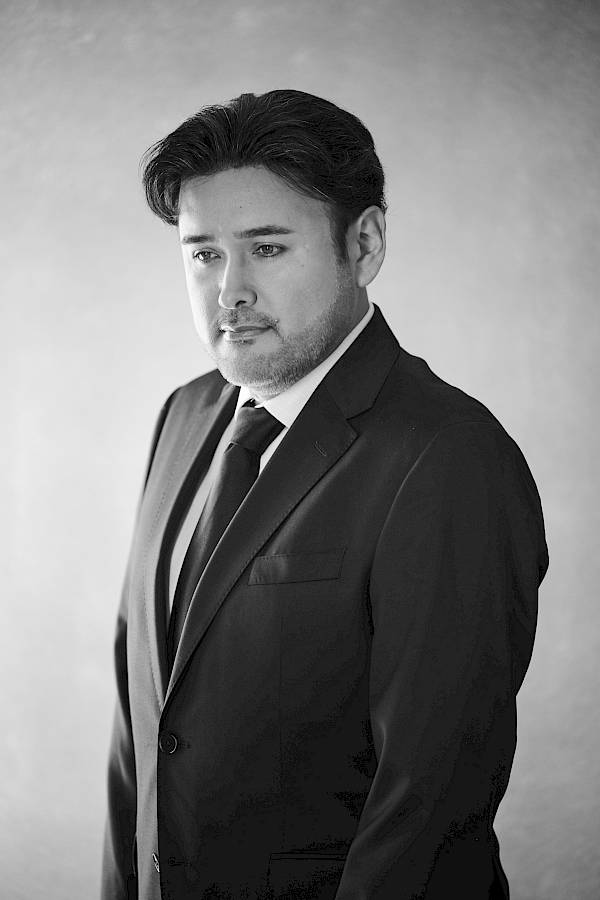
Javier Camarena wurde in Veracruz (Mexiko) geboren. Nach seinem Studium an der Musikhochschule der Universität von Guanajuato gewann er 2004 den ersten Preis beim Gesangswettbewerb «Carlo Morelli» in Mexiko und 2005 den Sonderpreis «Juan Oncina» im Wettbewerb Francisco Viñas in Barcelona. Francisco Araiza ist sein Gesangslehrer und Berater. 2004 debütierte er am Palacio de Bellas Artes als Tonio in La Fille du Régiment. In Mexiko war er zudem als Belmonte (Die Entführung aus dem Serail), Nemorino (L’elisir d’amore), Ernesto (Don Pasquale) und Dorvil (La scala di seta) zu hören. Als Ensemblemitglied des Opernhauses Zürich von 2007-2014 hat er u.a. Lindoro (L’italiana in Algeri), Almaviva in Il barbiere di Siviglia von Paisiello und Rossini, Belfiore (La finta giardiniera) sowie in den Neuproduktionen von Tristan und Isolde (Stimme eines Seemanns), Così fan tutte, La fedeltà premiata, Mosè in Egitto, Les Pêcheurs de perles, Le Comte Ory, Falstaff, Die Entführung aus dem Serail und Rossinis Otello gesungen. Gastengagements führten ihn u.a. an die Opernhäuser in Paris, Wien, München, Dresden, Brüssel, Barcelona, Madrid, New York und San Francisco. Bei den Salzburger Festspielen war er 2013 als Fenton und Belmonte (Die Entführung aus dem Serail) sowie 2014 als Ramiro (La cenerentola) zu erleben. Zu seinen künftigen Engagements zählen u.a. Almaviva (Il barbiere di Siviglia) an der Wiener und der Münchener Staatsoper, Conte di Libenskoff (Il viaggio a Reims) in Zürich, Ernesto (Don Pasquale) in Zürich und an der Met sowie Lord Arturo (I puritani) in Madrid.

Oliver Widmer

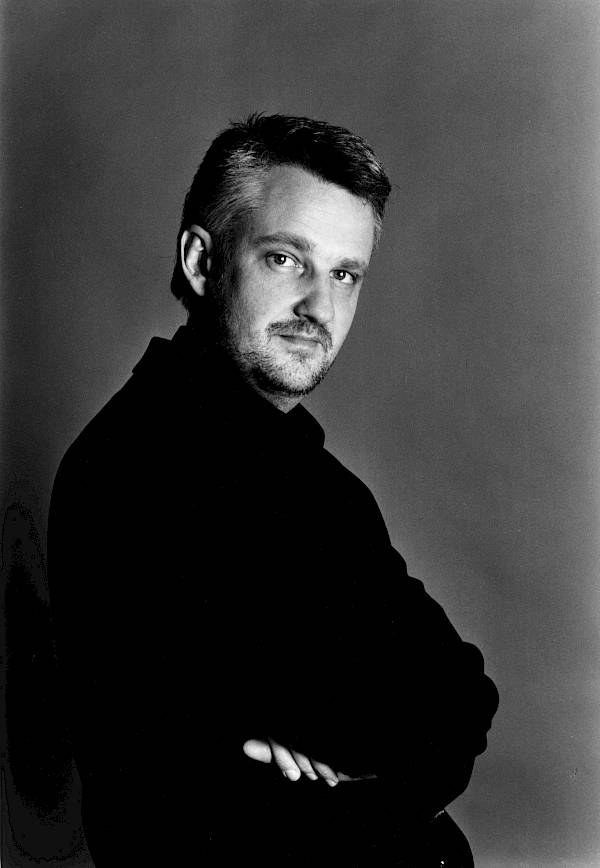
Oliver Widmer, in Zürich geboren, studierte bei seinem Vater Kurt Widmer in Basel, bei Dietrich Fischer-Dieskau und Silvana Bazzoni. Preise gewann er u.a. beim ARD-Wettbewerb München, beim Internationalen Hugo-Wolf-Wettbewerb Stuttgart und beim Othmar-Schoeck-Wettbewerb Luzern. Mit Liederabenden war er bei der Schubertiade Feldkirch, den Salzburger Festspielen, den Wiener Festwochen, in der Londoner Wigmore Hall, in der Berliner Philharmonie, der Münchner Residenz, der Alten Oper Frankfurt, im Pariser Louvre, bei den Fêtes musicales en Touraine (mit Svjatoslav Richter), beim Aldeburgh Festival und im Lincoln Center New York mit Partnern wie Vladimir Ashkenazy, Hartmut Höll, Graham Johnson, András Schiff und Roger Vignoles zu Gast. Als gefragter Solist in Konzert und Oper unter Dirigenten wie Chailly, Dutoit, Gardiner, Jansons, Harnoncourt, Henze, Luisi, Santi, Schreier und Welser-Möst singt er mit den grossen Orchestern Europas (u.a. Wiener und Berliner Philharmoniker) und Amerikas (u.a. Pittsburgh Symphony, San Francisco Symphony) Werke von Bach bis Holliger. 1991/92 kam er als lyrischer Bariton zum Ensemble des Opernhauses Zürich, wo er u.a. als Papageno, Guglielmo, Olivier (Capriccio), Harlekin (Ariadne auf Naxos), Agamemnon (La Belle Hélène), Dandini (La Cenerentola), Figaro (Il barbiere di Siviglia), Belcore, Malatesta, Graf Almaviva, Dr. Falke, Valentin, Wolfram, Barbier (Die schweigsame Frau), Ottokar (Der Freischütz), Don Alfonso und Schwarzer Minister (Le Grand Macabre) sowie jüngst als Raimbaud (Le Comte Ory) zu hören war. Über 20 CD-Aufnahmen entstanden mit ihm, u.a. unter Harnoncourt und Gardiner sowie mit verschiedenen Liedrezitalen.

Alessandro Corbelli

Alessandro Corbelli wurde in Turin geboren und studierte bei Giuseppe Valdengo und Claude Thiolas. Er gab sein Bühnendebüt im Alter von 22 Jahren als Marcello (La bohème) in Bergamo und machte sich rasch als Interpret der Baritonrollen des Belcanto- und Mozartrepertoires einen Namen. Seither gastierte er an allen bedeutenden internationalen Opernhäusern in Städten wie Mailand, London, Paris, Wien, Neapel, New York, San Francisco und Los Angeles sowie bei den Festivals von Salzburg, Pesaro, Verona, Aix-en-Provence, Glyndebourne und Edinburgh. Sein umfangreiches Repertoire umfasst Rollen wie Ford (Falstaff), Michonnet (Adriana Lecouvreur), Belcore und Dulcamara (L’elisir d’amore), Leporello (Don Giovanni), Dandini und Don Magnifico (La cenerentola), Taddeo (L’italiana in Algeri) sowie die Titelpartien in Falstaff, Gianni Schicchi und Don Pasquale. In der Saison 2021/22 sang er Don Alfonso (Così fan tutte) beim Glyndebourne Festival, Don Magnifico am New National Theatre Tokyo und an der LA Opera, Michonnet (Adriana Lecouvreur) an der Scala in Mailand, Don Bartolo (Il barbiere de Siviglia) bei den Salzburger Festspielen sowie in einer Rossini-Gala an der Wiener Staatsoper. Alessandro Corbelli wurde mit vielen Preisen ausgezeichnet, darunter dem Premio Abbiati für seinen Leporello (Don Giovanni) an der Scala und dem Rossini d’Oro für seinen Geronio (Il turco in Italia) in Pesaro.

Liliana Nikiteanu

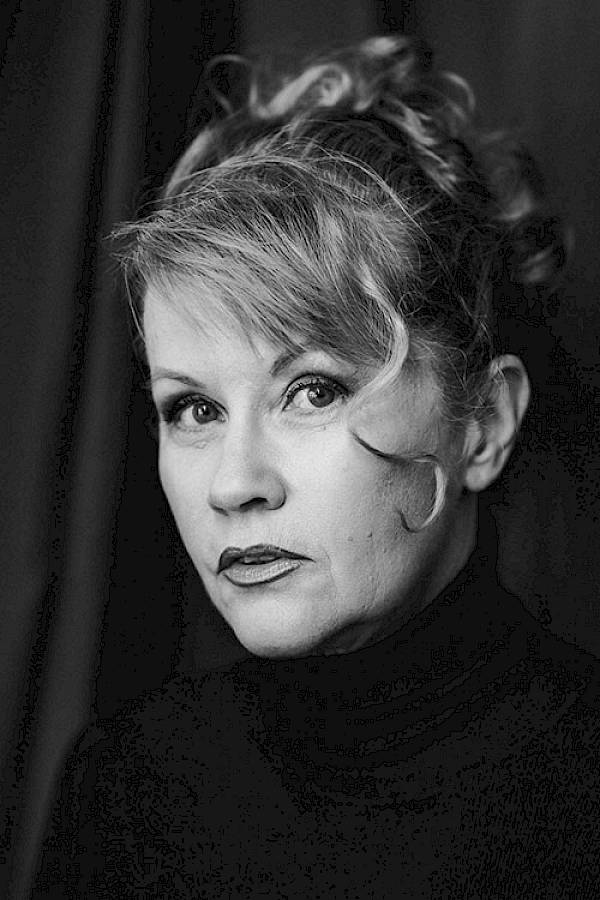
Liliana Nikiteanu studied at the Conservatory in Bucharest. Her first permanent engagement was in 1986 at the Music Theatre in Galați. She has won numerous awards, and in 2000, Opernwelt named her “Best Young Singer of the Year.” Her repertoire includes over 80 roles, which she has performed in Zurich—where she has been an ensemble member since 1991—as well as at other opera houses. These include Octavian (Der Rosenkavalier) at the Opéra Bastille, the Vienna State Opera, and the Hamburg State Opera; Ježibaba (Rusalka) in Montreal; Sesto (La clemenza di Tito) in Dresden; Rosina (Il barbiere di Siviglia) in Vienna and Munich; Dorabella (Così fan tutte) in Dresden, Munich, Salzburg, and Aix-en-Provence; Fyodor (Boris Godunov) in Salzburg; Marguerite (La damnation de Faust) in Brussels; and Dulcinée (Don Quichotte) at the Theater an der Wien. In Zurich, she has performed all the Mozart roles of her voice type, as well as parts such as Lyubasha (The Tsar’s Bride), the Nurse in Dukas’s Ariane et Barbe-Bleue, and Fricka (Das Rheingold).

As a concert singer, her repertoire ranges from Bach to Berio. She has performed Haydn’s Berenice in Bamberg under Adam Fischer, Berlioz’s Les nuits d’été in Paris under Heinz Holliger, Verdi’s Requiem in Copenhagen, and Bruckner’s Te Deum in Tel Aviv and Haifa under Zubin Mehta. Influential conductors in her career include Nikolaus Harnoncourt, Claudio Abbado, Fabio Luisi, Franz Welser-Möst, John Eliot Gardiner, René Jacobs, and Philippe Jordan. Most recently in Zurich, she has been heard as Tisbe (La Cenerentola), Frau Waas / Frau Mahlzahn (Jim Knopf), Praskowia (Die lustige Witwe), Mama (Wir pfeifen auf den Gurkenkönig), and Sir Pumpkin (Around the World in 80 Days).

Le nozze di Figaro24 / 29 Jan / 1 / 5 / 7 / 10 / 14 Feb 2026 Wie du warst! Wie du bist!20 / 21 / 25 Sept / 2 / 3 Oct 2025 / 4 / 5 / 10 / 11 Jul 2026

Martina Janková

Martina Janková, Schweizer Sopranistin mit tschechischen Wurzeln, war viele Jahre im Ensemble des Opernhauses Zürich engagiert. In Mozarts Da Ponte-Zyklen am Opernhaus Zürich und in Cleveland (USA) unter Leitung von Franz Welser-Möst sowie bei den Salzburger Festspielen (2013-2016), sang sie Susanna und Despina. In jüngerer Zeit debütierte sie an der Mailänder Scala als Bellezza in Händels Il trionfo del tempo e del disinganno und sang dort 2019 zudem in Mendelssohns Lobgesang. Mit Les Arts Florissants unter William Christie war sie 2016 auf einer Europa-Tournée und beim Lucerne Festival in der Hauptrolle in Mozarts Il re pastore zu erleben. Im Mai 2017 sang sie mit dem Cleveland Orchestra unter Franz Welser-Möst Mélisande in Debussy’s Pelléas et Mélisande. Neben ihrer Arbeit auf der Opernbühne ist Martina Janková eine gefragte Konzertsängerin. Sie trat unter Dirigenten wie Ivor Bolton, Bertrand de Billy, Riccardo Chailly, Sir John Eliot Gardiner, Ingo Metzmacher und Sir Simon Rattle auf und sang mit namhaften Orchestern wie den Berliner und Münchner Philharmonikern, der Tschechischen Philharmonie, dem Gewandhausorchester Leipzig, dem Budapest Festival Orchestra und dem Orchestre des Champs-Elysées. Als Liedsängerin war sie u.a. in der Londoner Wigmore Hall, beim Prager Frühling, beim Rheingau Musikfestival, beim Festival Styriarte in Graz sowie bei den Salzburger Festspielen zu hören. Ihr künstlerisches Schaffen ist auf zahlreichen CD- und DVD-Aufnahmen dokumentiert; jüngst erschien ein Album mit Liedern von B. Martinů (ausgezeichnet mit dem «Diapason d'Or 2019») und das Album Prague-Vienna Journey in Songs («Diapason d'Or 2017»).

Rebeca Olvera

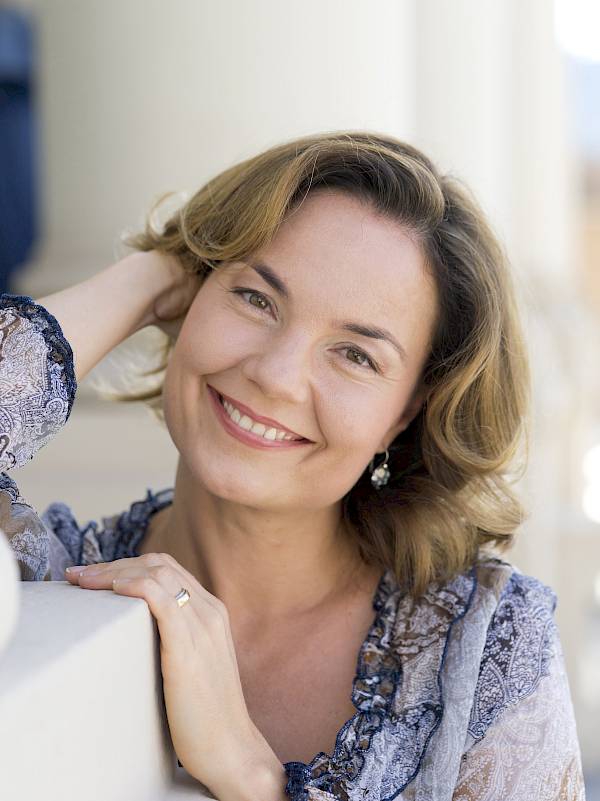
Rebeca Olvera is from Mexico. She studied at the Conservatorio Nacional de Música in Mexico City and was a member of the IOS at the Opernhaus Zürich from 2005 to 2007. She then became a permanent ensemble member there and sang roles such as Adina ("L’elisir d’amore"), Norina ("Don Pasquale"), Berenice ("L’occasione fa il ladro"), Giulia ("La scala di seta"), Rosina (Paisiello’s "Il barbiere di Siviglia"), Blonde ("Die Entführung aus dem Serail"), Madame Herz ("Der Schauspieldirektor"), Dorinda ("Orlando"), Isolier ("Le comte Ory"), Adalgisa ("Norma"), and Zaida ("Il turco in Italia"). She has worked with conductors including Ralf Weikert, Vladimir Fedoseyev, William Christie, Marc Minkowski, Nello Santi, Adam Fischer, Fabio Luisi, Diego Fasolis, Franz Welser-Möst, Emmanuelle Haïm, and Alessandro De Marchi. She has performed concerts with José Carreras in South America and Europe (Carreras Gala 2007 on ARD) and with Plácido Domingo in Mexico. In 2016, she sang Adalgisa in "Norma" alongside Cecilia Bartoli at the Théâtre des Champs-Élysées, the Edinburgh Festival, and the Festspielhaus Baden-Baden. In Zurich, she has appeared as Despina, Musetta, Frasquita in "Carmen", Mi in "Das Land des Lächelns", Zaida in "Il turco in Italia", Komtesse Stasi in "Die Csárdásfürstin", Waldvöglein in "Siegfried", and Contessa di Folleville in "Il viaggio a Reims"—a role she also sang at the Royal Danish Opera. She performed Isolier at the Opéra de Monte-Carlo and Clorinda ("La Cenerentola") at the Vienna State Opera. She has also appeared as Berta ("Il barbiere di Siviglia") and in the gala concert Carmencita & Friends at the Salzburg Festival.

Der Rosenkavalier21 / 26 Sept / 1 / 5 / 14 / 17 / 21 / 26 Oct 2025 Manon24 / 27 Sept / 3 / 7 / 10 Oct 2025 Un ballo in Maschera22 / 28 / 31 May / 7 / 13 Jun 2026 Così fan tutte3 / 7 / 9 / 12 Jul 2026 Die Fledermaus7 / 10 / 12 / 14 / 18 / 26 / 28 / 31 Dec 2025 / 2 / 4 / 6 / 10 Jan 2026

Stanislav Vorobyov

Stanislav Vorobyov is a native of Russia and studied at the Moscow Conservatory. He was a member of the International Opera Studio and has been part of the ensemble at Zurich Opera House since the 2018/19 season. In Zurich, he has appeared in roles such as Colline (“La bohème”), Alidoro (“La Cenerentola”), High Priest (“Nabucco”), Notary (“Der Rosenkavalier”), Reinmar von Zweter (“Tannhäuser”), Faust (“The Fiery Angel”), Zaretsky (“Eugene Onegin”), Cesare Angelotti (“Tosca”), Fifth Jew and First Nazarene (“Salome”), Lord Rochefort (“Anna Bolena”), Doctor Grenvil (“La traviata”), Crébillon (“La rondine”), and Zuniga (“Carmen”), as well as Roberto (“I vespri siciliani”), Roucher (“Andrea Chénier”), and the Police Commissioner (“Der Rosenkavalier”). He also sang Don Basilio (“Il barbiere di Siviglia”) at the Bregenz Festival, Nourabad (“Les Pêcheurs de perles”) at Opera Vlaanderen and in Luxembourg, and Ombra di Nino (“Semiramide”) at the Concertgebouw in Amsterdam. At the Bregenz Festival, he also appeared as Uncle Bonzo in “Madama Butterfly” and as Il capitano/L’ispettore in Umberto Giordano’s “Siberia.” In 2024, he was additionally heard as Colline (“La bohème”) at the Tokyo Metropolitan Theatre and ROHM Theatre Kyoto.

Cardillac15 / 18 / 21 / 25 Feb / 1 / 6 / 10 Mar 2026 La Damnation de Faust10 / 14 / 17 May 2026 Carmen18 / 21 / 23 / 27 / 31 Jan 2026 Madama Butterfly30 Dec 2025 / 3 / 9 / 11 / 13 / 16 Jan 2026 Un ballo in Maschera22 / 28 / 31 May / 7 / 13 Jun 2026 La forza del destino2 / 7 / 12 / 15 / 18 / 21 / 26 / 29 Nov / 17 / 21 Dec 2025 Der Rosenkavalier21 / 26 Sept / 1 / 5 / 14 / 17 / 21 / 26 Oct 2025

Enrico Maria Cacciari

Enrico Maria Cacciari studied piano at the conservatories of Bologna and Milan as well as chamber music in Fiesole with Dario De Rosa and Maureen Jones. As a pianist, harpsichordist, and organist, he has performed in numerous chamber music ensembles and orchestras, including the Mahler Chamber Orchestra, Orchestra Mozart, and the Lucerne Festival Orchestra. In 1997, he was engaged as a répétiteur at the Teatro alla Scala in Milan, and since 2000 he has held the same position at the Zurich Opera House. As a guest, he has worked at such renowned musical institutions as the Rossini Festival Pesaro, the Baden-Baden Festival House, the Teatro Real Madrid, the Edinburgh Festival, the Cleveland Orchestra, the Salzburg Festival, and the Lucerne Festival. In doing so, he collaborated with conductors such as Claudio Abbado, Riccardo Chailly, Christoph Eschenbach, Daniele Gatti, Daniel Harding, Franz Welser-Möst, Nello Santi, and Marcello Viotti. He has given recitals with singers such as Elena Moşuc, Barbara Frittoli, Javier Camarena, Massimo Cavalletti, Carlo Colombara, and José Cura.

Le nozze di Figaro24 / 29 Jan / 1 / 5 / 7 / 10 / 14 Feb 2026
Ganze Besetzung anzeigen Weniger anzeigen

Abstract

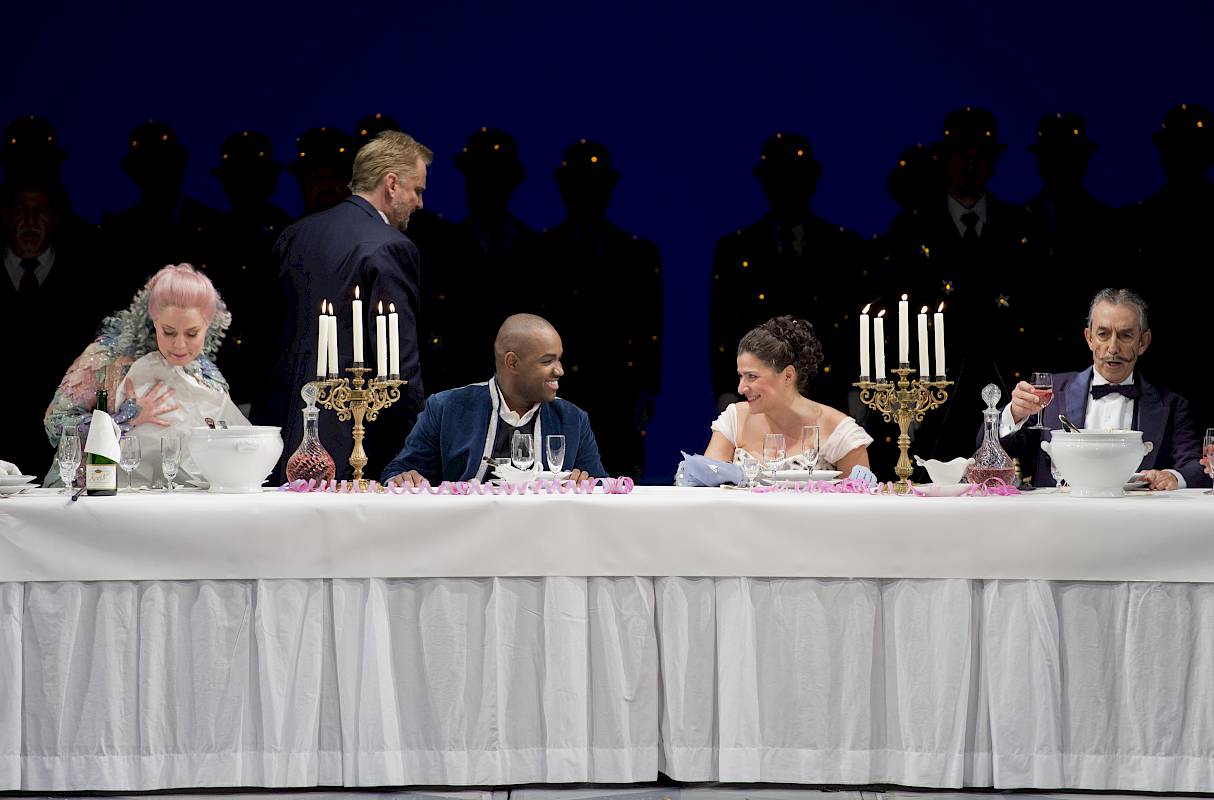
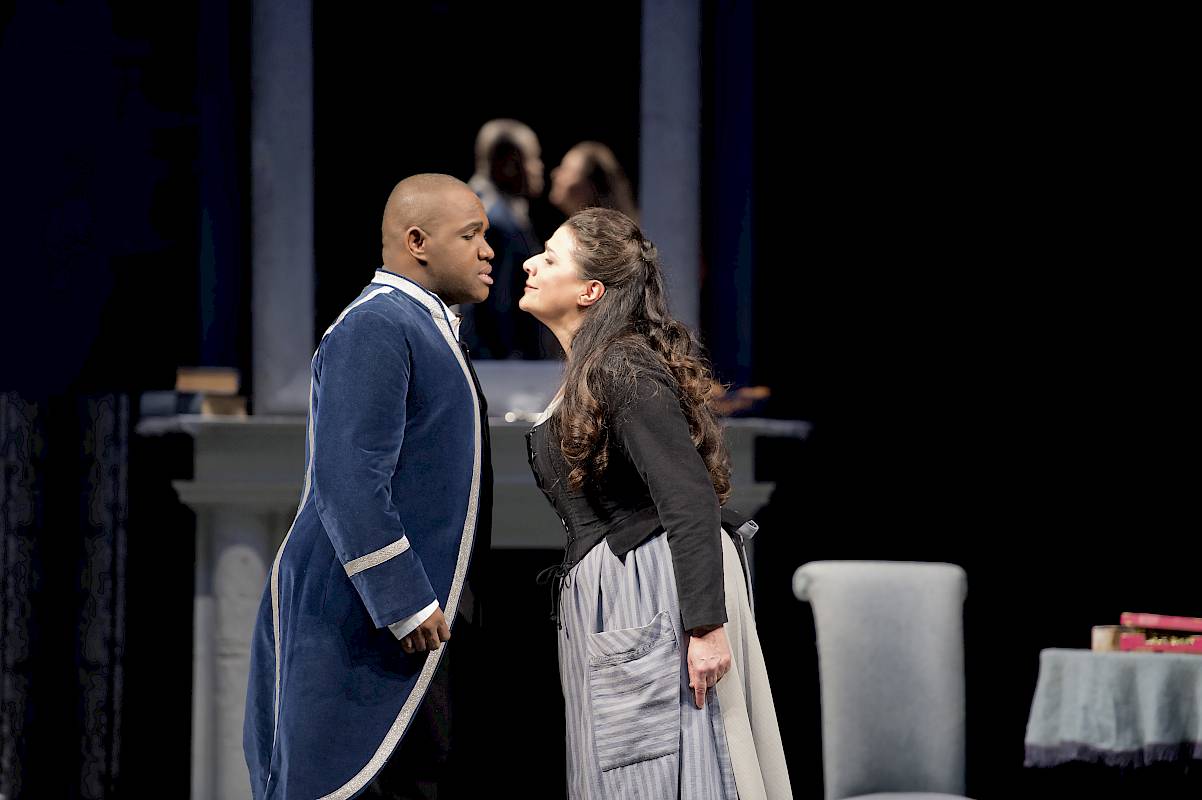
Last season, she celebrated her thirtieth stage anniversary in Zurich: Cecilia Bartoli has been one of the leading artists in the world of classical music for decades. Moreover, she is a recognised Rossini specialist. She cares so strongly about the works of this composer that, as Artistic Director of the Salzburg Whitsun Festival, she even devoted an entire edition of the festival to them. Cecilia Bartoli’s long-standing links with the Opera House have also been marked by her interpretations of Rossini: she has already been seen in Zurich as Countess Adèle in the comedy of disguises, Le Comte Ory, as Desdemona in Rossini’s rarely performed version of Otello, and in the star role of Angelina at the première of La cenerentola.

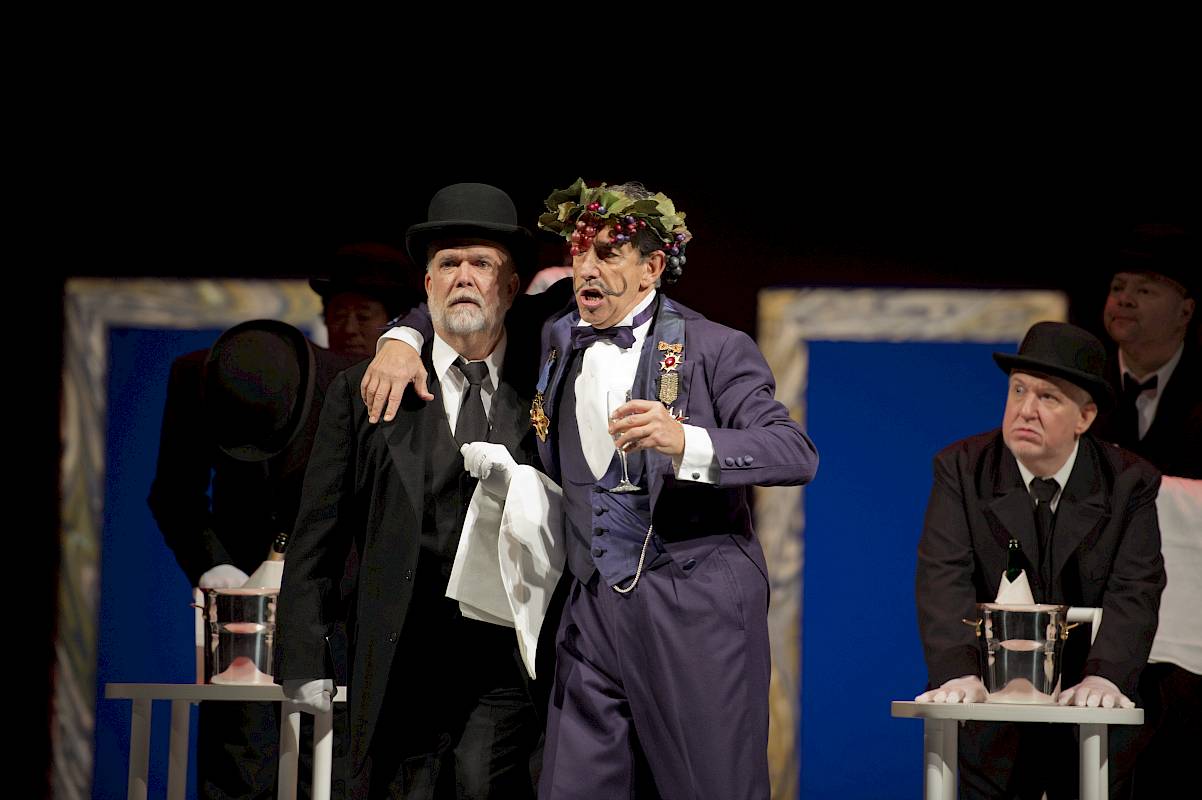
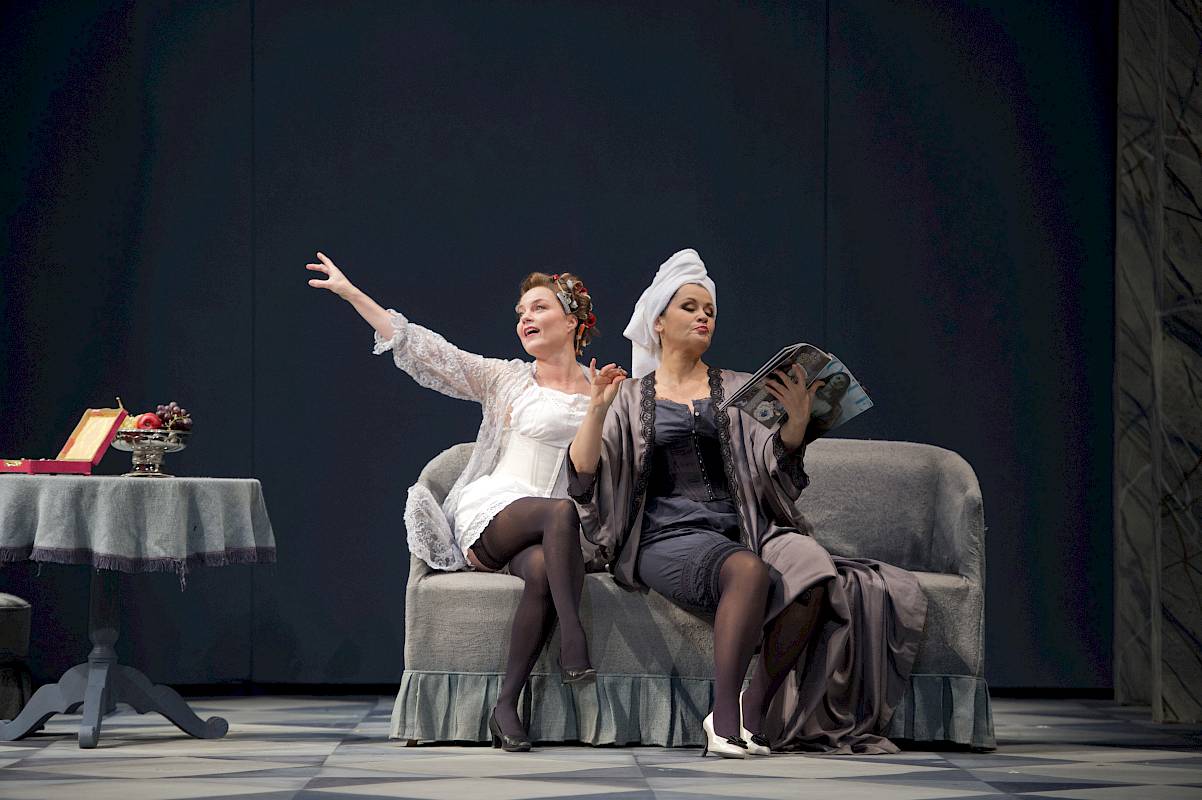
No coloratura role in Rossini’s works for the stage is more demanding and contradictory than that of his Cinderella, whose dignity always shines through, despite all the oppression she suffers at the hands of her stepsisters. The special thing about the score is that it effortlessly combines humour with emotion, burlesque comedy with a sensitive love story, and for this reason is considered by many to be Rossini’s most mature and human composition.

In this revival production, Cecilia Bartoli’s partner will be the Mexican tenor Javier Camarena, who also maintains close links with Zurich and is celebrated for his interpretations of Rossini and Donizetti in the world’s great opera houses. Italian conductor Gianluca Capuano, also an internationally successful musician with considerable experience of Rossini, will be at the rostrum.
Mehr lesen Weniger anzeigen

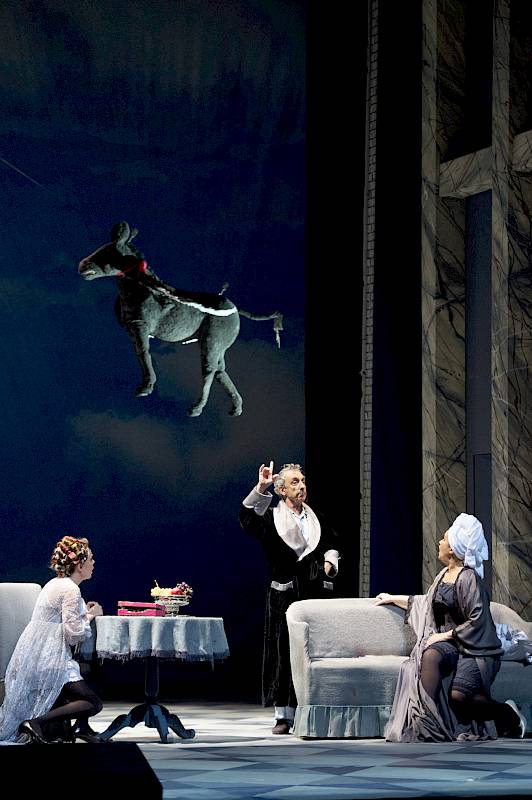
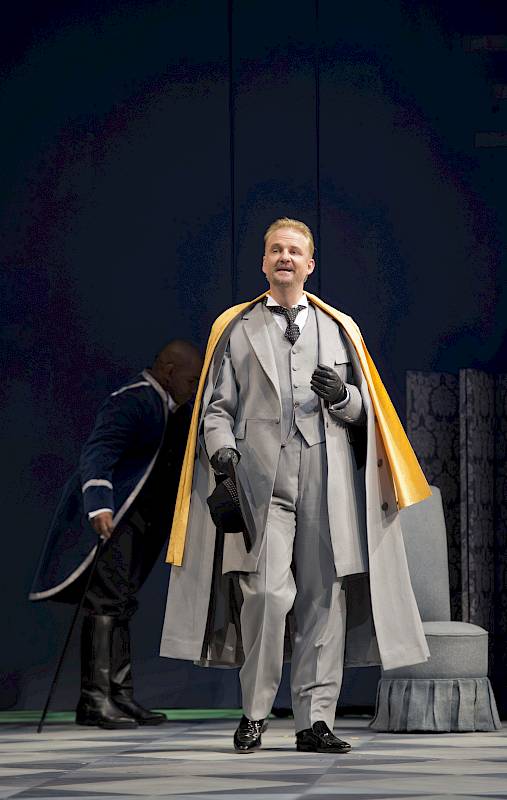
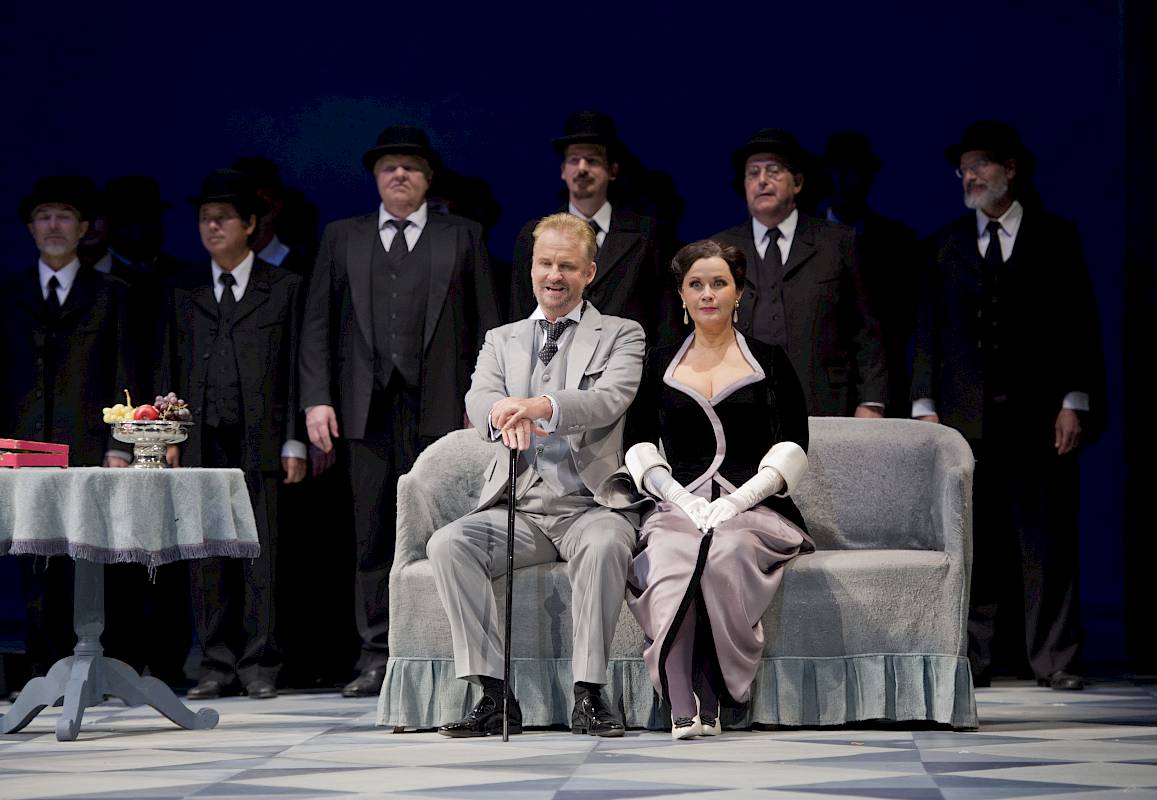
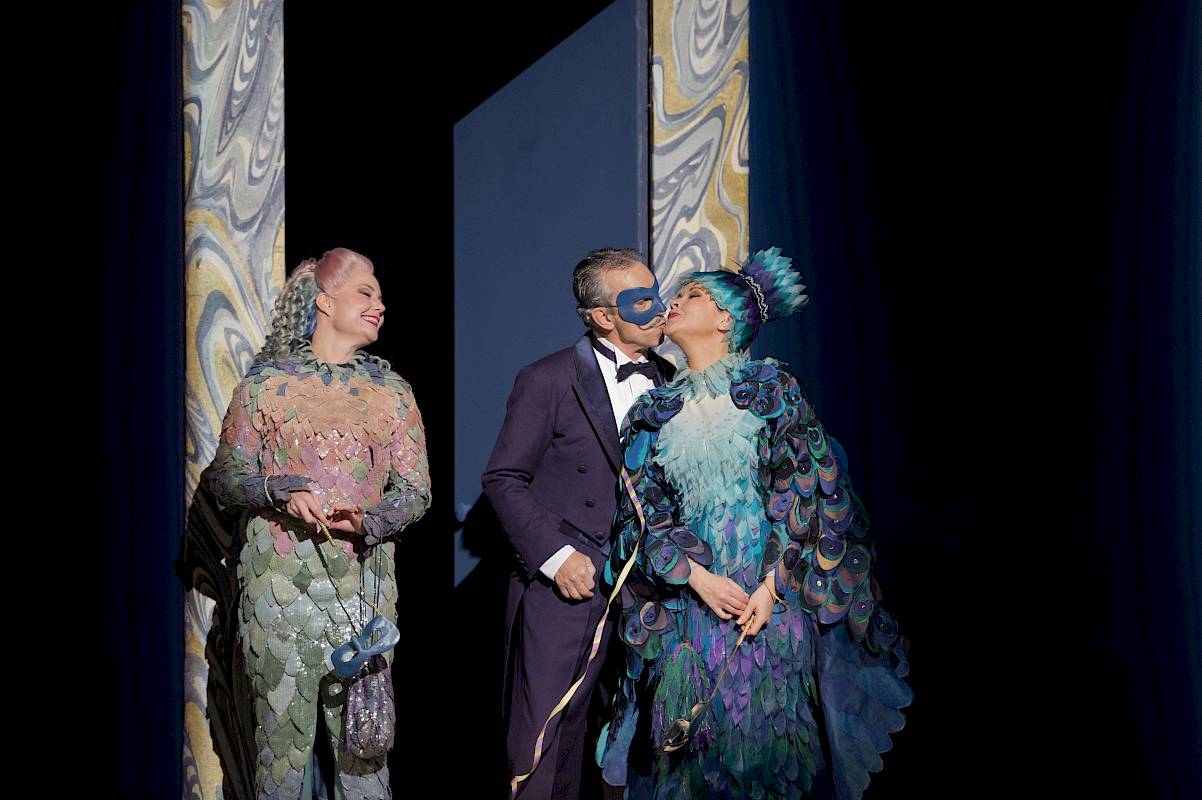
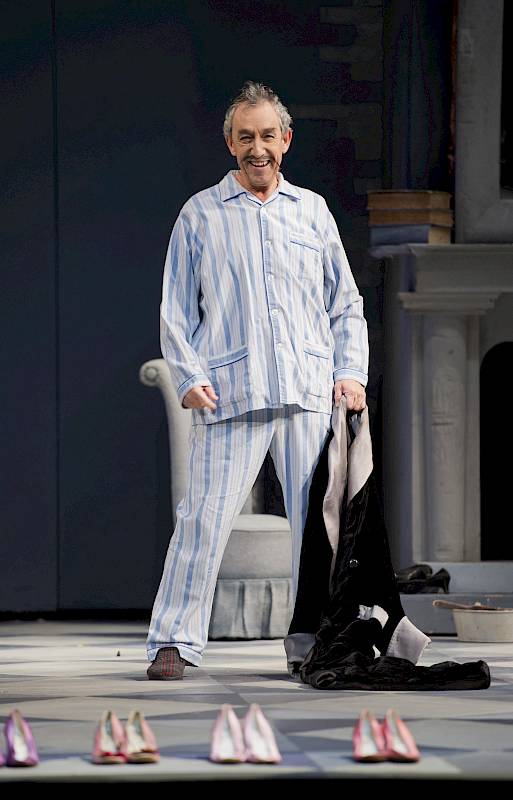
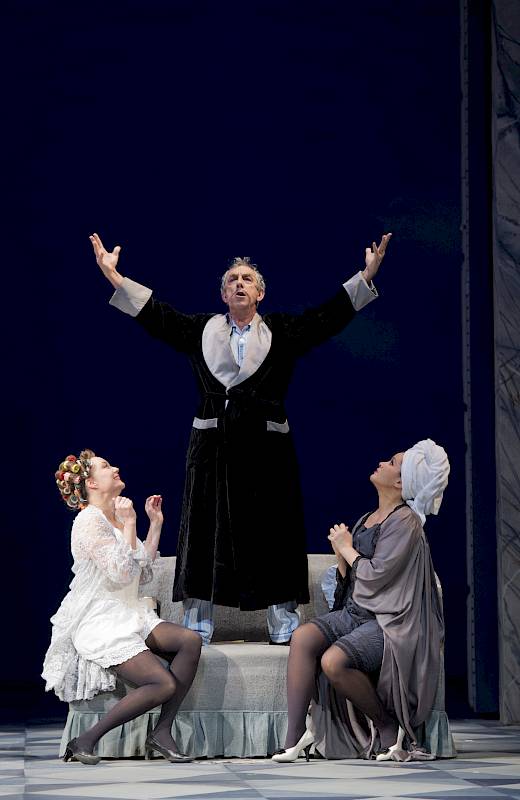
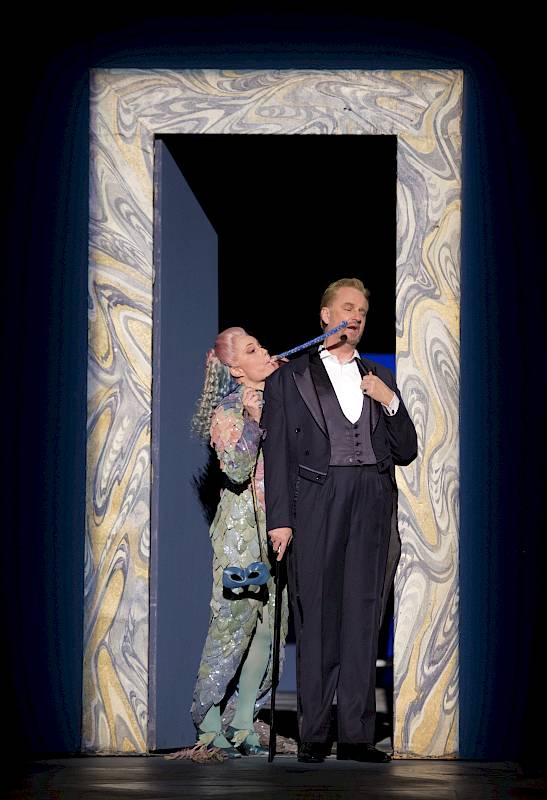
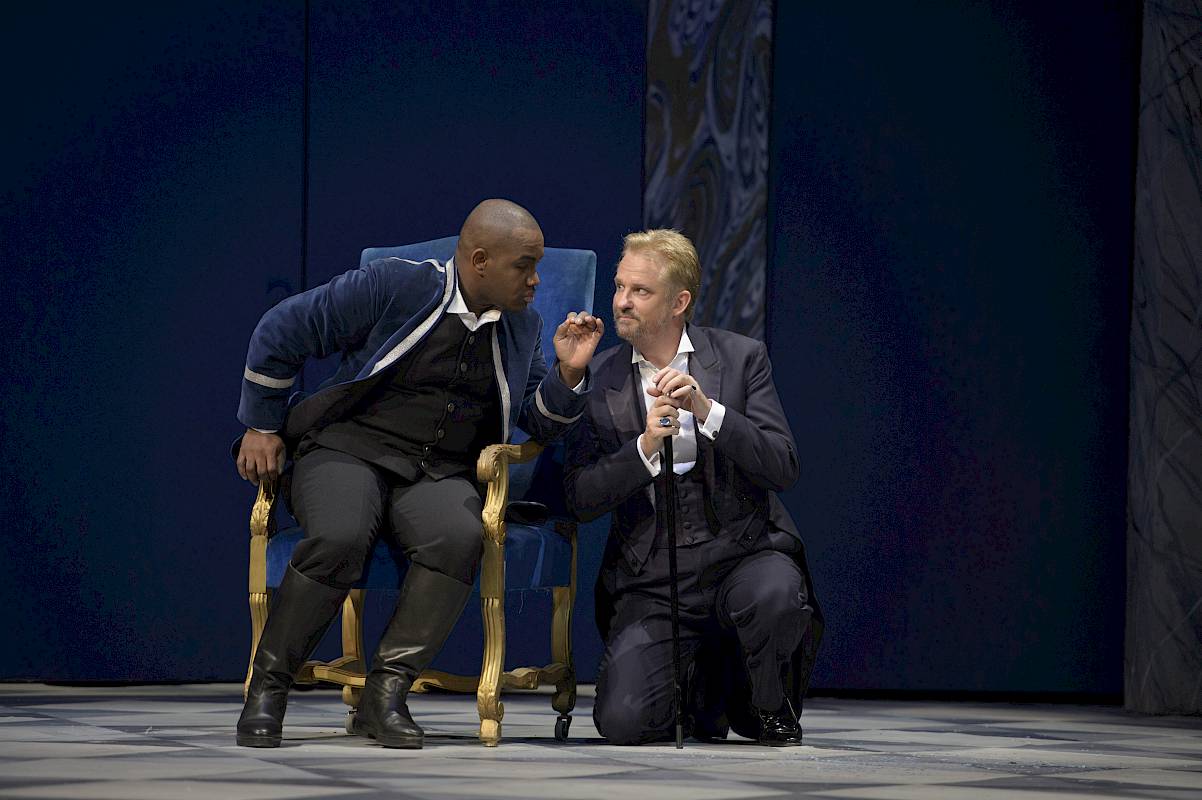
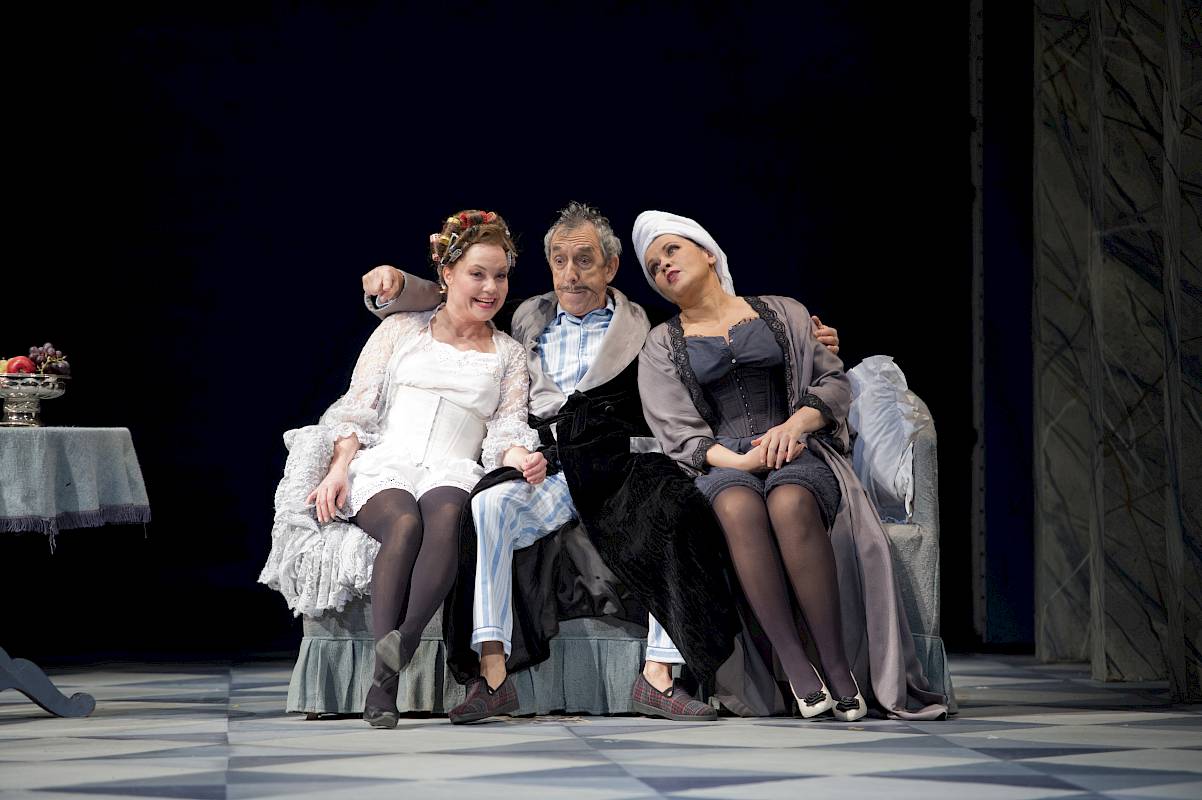
Photos «La Cenerentola»


Good to know

Program book