La scala di seta

Gioachino Rossini

Farsa comica in one act
Libretto by Giuseppe Maria Foppa

From 25. September 2025 until 24. October 2025

  • Duration :
    approx. 2 hrs. 10 min. incl. intermission after 1st part after approx. 50 min.
  • Language:
    In Italian with German and English surtitles.
  • More information:
    Introduction 45 min before the performance.

Musical Director:
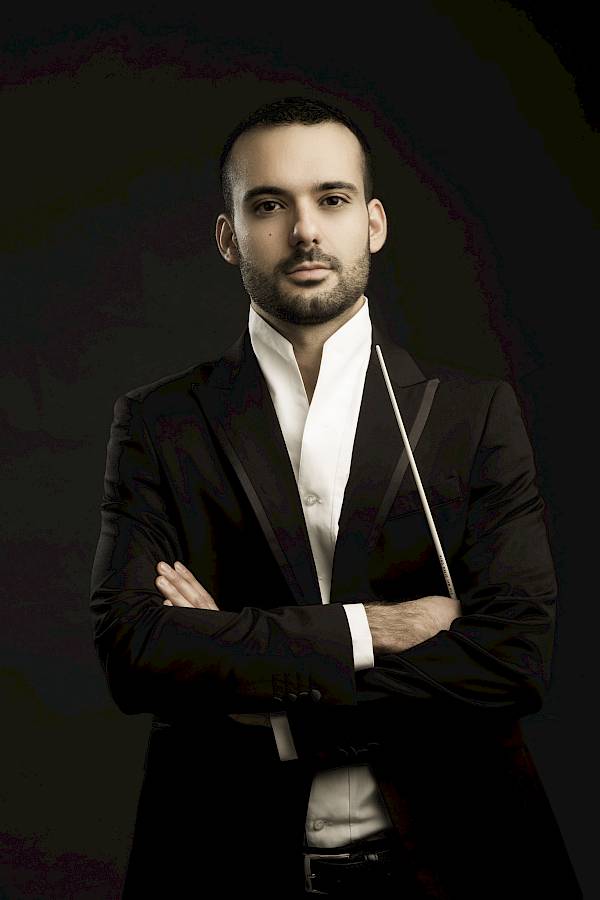
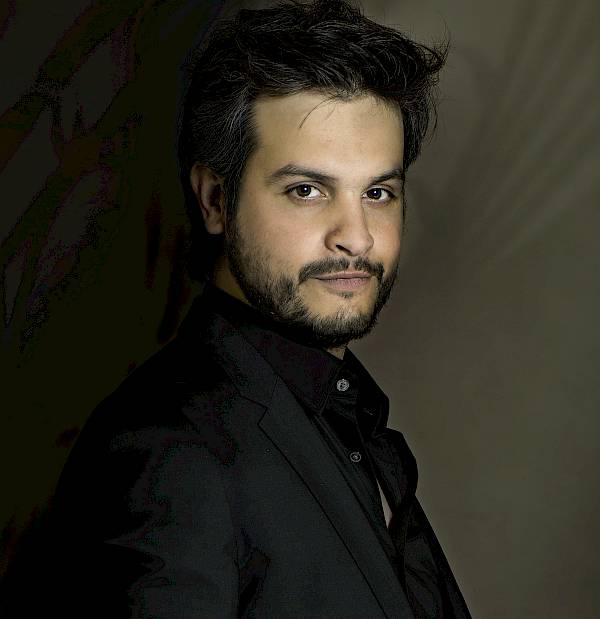
Leonardo Sini

Leonardo Sini

The Italian conductor Leonardo Sini studied at the Conservatorio di Musica Luigi Canepa di Sassari and continued his education at the Royal Academy of Music in London, at the conservatories in The Hague and Amsterdam, and in Siena. In 2017, he won the prestigious International Conducting Competition “Sir Georg Solti.” Since then, he has made highly successful debuts at the Hungarian State Opera in Budapest, with Opera Lombardia in Como, Cremona, Pavia, and Bergamo, at Teatro Carlo Felice in Genoa, Teatro Petruzzelli in Bari, Maggio Musicale Fiorentino, and in 2021 in Japan with the Tokyo Philharmonic Orchestra. Also in 2021, he conducted “L’elisir d’amore” at the Opéra National de Paris and returned to the Hungarian State Opera for Puccini’s rarely performed “Edgar” as well as productions of “Simon Boccanegra” and “Don Carlo.” Further highlights include his debuts at the Hamburg State Opera and the Staatsoper Unter den Linden in Berlin with “Lucia di Lammermoor,” “Aida” at the Deutsche Oper Berlin, “Turandot” and “Adriana Lecouvreur” at the Sydney Opera House, “Il barbiere di Siviglia” at Teatro Valli in Reggio Emilia and in Modena, “La traviata” and “Aida” at the Semperoper Dresden, and “Carmen” and Verdi’s “Alzira” at the Opéra Royal de Wallonie in Liège. Recent engagements include “Il trovatore” at the Korean National Opera in Seoul, “Don Carlo” in Tokyo, “Aida” at the Staatsoper Hannover, “Nabucco” with Plácido Domingo in Paris, “Carmen” at the Arena di Verona, and his 2025 American debut with “Tosca” at the Seattle Opera. At the Zurich Opera House, Leonardo Sini has conducted “Rigoletto,” “Lucia di Lammermoor,” “Tosca,” and “La scala di seta.”

Production:
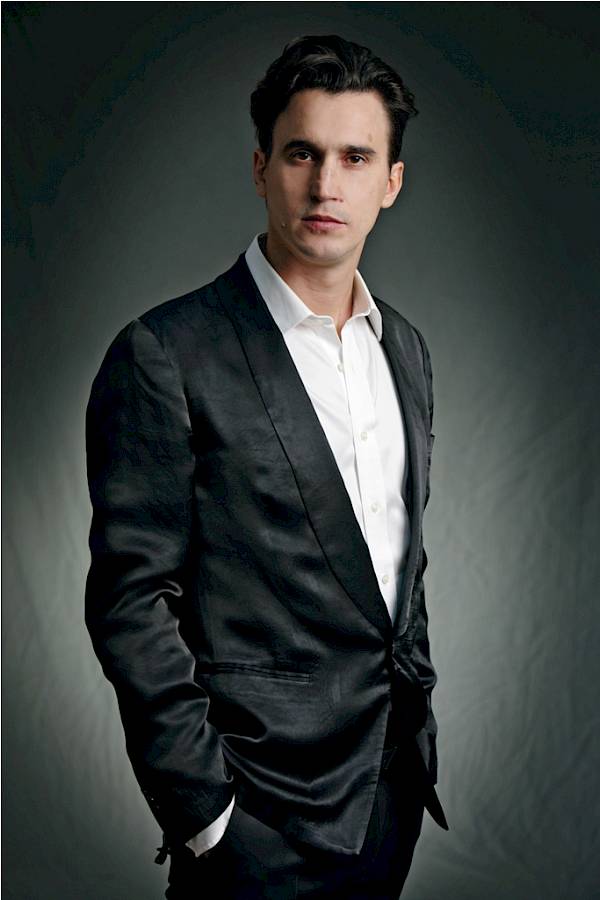
Damiano Michieletto

Damiano Michieletto

Damiano Michieletto studied opera and theatre directing in Milan and literature at the University of his hometown Venice. In 2003, he won the ESB Theatre Award of the Irish Times at the Wexford Festival for his production of Jaromír Weinberger’s opera "Schwanda". This was followed by work for the Rossini Festival in Pesaro, the Teatro Olimpico in Vicenza, as well as for opera houses in Bologna, Verona, Venice, Naples, Turin, Graz, Geneva, and Leipzig. For the New National Theatre in Tokyo, he staged "Così fan tutte" and for the Theater an der Wien, among others, "Il trittico" and "Idomeneo". In 2012, he made his debut at the Salzburg Festival with "La bohème" and subsequently staged "Falstaff" and "La Cenerentola" there. Further engagements took him, among others, to opera houses in Berlin, Paris, Barcelona, Madrid, London, and Moscow, as well as to the Glyndebourne Festival. In 2022, he created the immersive installation "Archèus. Labirinto Mozart" for the Biennale in Venice and in 2025 was responsible for the program of the Caracalla Festival at the Teatro dell’Opera di Roma. More recent works include "Messiah" at the Komische Oper Berlin, "La Fille du régiment" at the Bavarian State Opera in Munich, as well as the world premieres of Alexander Raskatov’s "Animal Farm" in Amsterdam and Francesco Filidei’s "Il nome della rosa" at La Scala in Milan. Alongside his work as an opera director, Damiano Michieletto is also active in spoken theatre, particularly at the Teatro Stabile del Veneto and the Piccolo Teatro in Milan. In 2025, he released his first film "Primavera". At the Zurich Opera House, he has staged, among others, "La scala di seta", "Il Corsaro", "Lucia di Lammermoor", and "Luisa Miller".

La clemenza di Tito7 / 10 / 12 / 16 / 18 / 21 Mar 2027
Sets and Costumes:
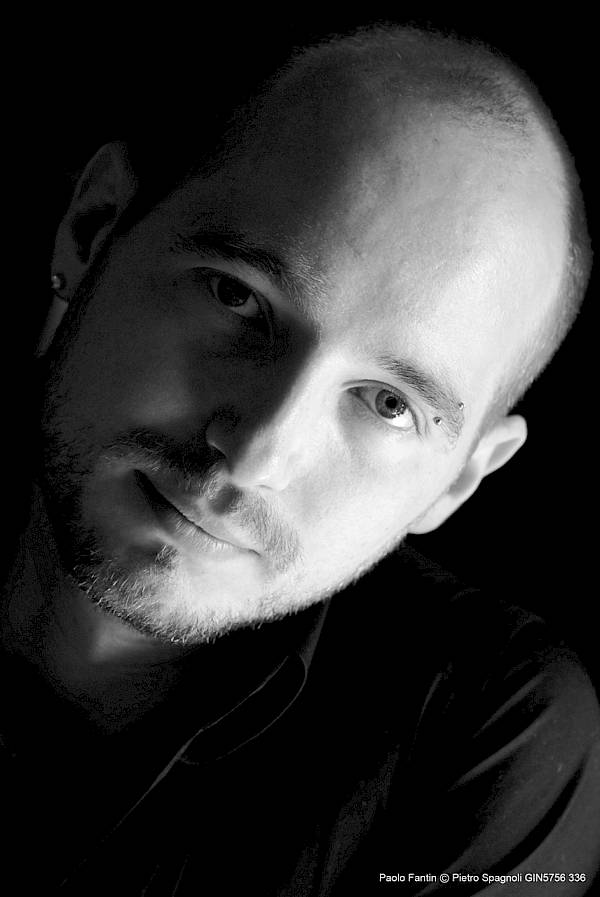
Paolo Fantin

Paolo Fantin

Paolo Fantin studied stage design at the Istituto Statale d’Arte in Venice and received his diploma from the Accademia di Belle Arti di Venezia. In 2005, he began his close collaboration with director Damiano Michieletto, taking part in the Ring Award in Graz. Since then, they have jointly created, among others, a Mozart/Da Ponte cycle and Gounod’s "Roméo et Juliette" at Teatro La Fenice in Venice, Puccini’s "Trittico" in Vienna and Copenhagen, "L’elisir d’amore" in Madrid and Graz, "La scala di seta" at the Rossini Opera Festival in Pesaro, "Un ballo in maschera" at La Scala in Milan, as well as in theatre Gogol’s "The Government Inspector" and "The Threepenny Opera". In 2011, he won the renowned Premio Franco Abbiati together with costume designer Carla Teti. In 2012, Paolo Fantin made his Salzburg Festival debut with Damiano Michieletto with "La bohème" and also worked with the director there on "Falstaff", "La Cenerentola", and "Alcina". Further collaborations include "Idomeneo" at the Theater an der Wien and in Tokyo, "The Rake’s Progress" in Leipzig and Venice, "Samson et Dalila" and "Don Pasquale" in Paris, Martinů’s "Greek Passion" in Palermo, "Guillaume Tell", "Cavalleria rusticana", "Les Contes d’Hoffmann", and "Carmen" at the Royal Opera in London, "Giulio Cesare" at the Théâtre des Champs-Élysées, "Animal Farm" at the Dutch National Opera, "Madama Butterfly" at the Teatro Regio in Turin, "Aida" and "La fille du régiment" at the Bavarian State Opera in Munich, as well as "La damnation de Faust", "West Side Story", and "Lohengrin" at the Teatro dell’Opera in Rome. At the Zurich Opera House, "Lucia di Lammermoor", "Il corsaro", "Luisa Miller", and "Poliuto" have already been staged.

La clemenza di Tito7 / 10 / 12 / 16 / 18 / 21 Mar 2027
Lighting Design:
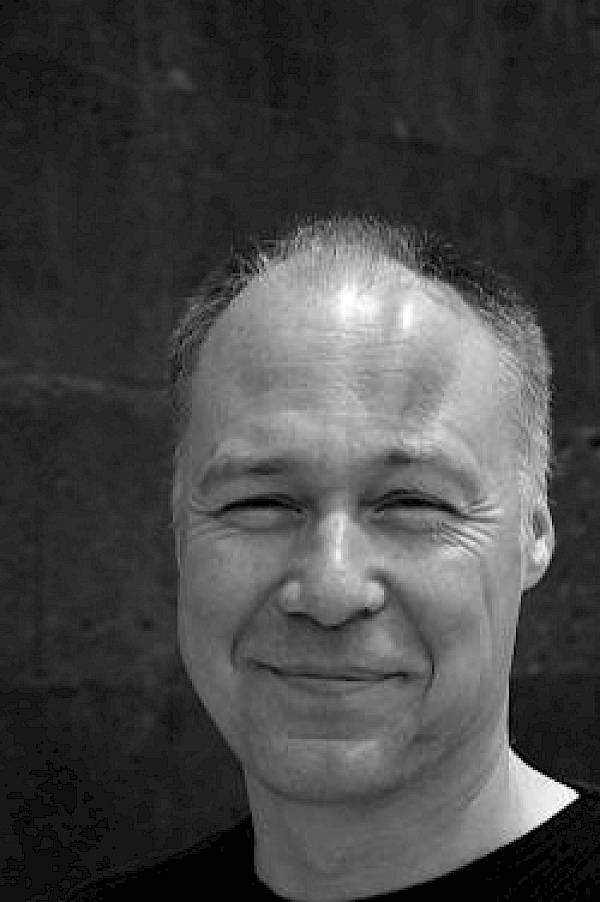
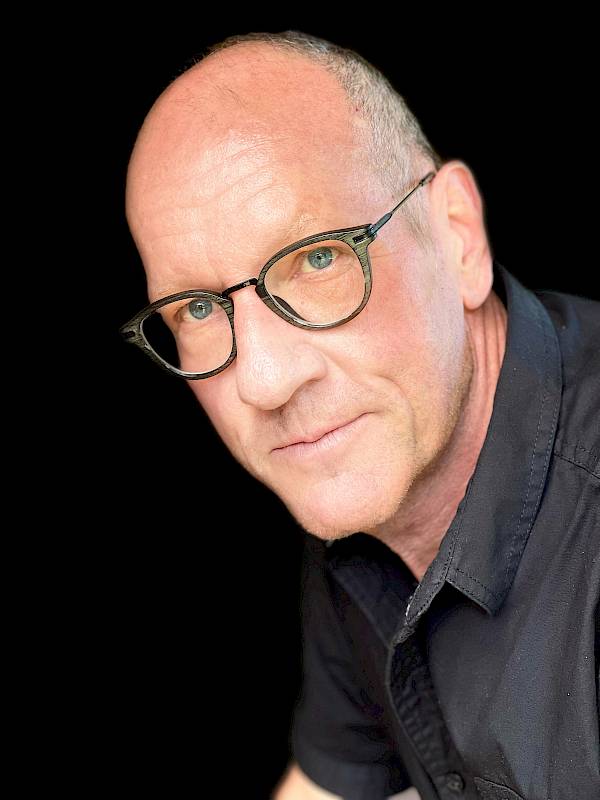
Elfried Roller

Elfried Roller

Elfried Roller is a native of Stuttgart. While studying electrical engineering, he worked part-time at a private theater in Karlsruhe. This was followed by professional training at the Stuttgart Opera House. He then moved to the Staatstheater Kassel, where he created lighting designs for directors such as Armin Petras, Volker Schmalöer, Schirin Khodadadian, and Hans Henning Paar. Since 2008, Elfried Roller has been employed at the Zurich Opera House. There he designed the lighting for productions such as “La finta giardiniera” directed by Tatjana Gürbaca, Donizetti’s “Roberto Devereux” by David Alden, as well as Sebastian Baumgarten’s productions of “Hamletmaschine,” “The Rise and Fall of the City of Mahagonny,” “Belshazzar,” “Turandot,” and “America.” In 2023, a guest engagement took him to the Deutsche Oper Berlin with Donizetti’s “Anna Bolena,” directed by David Alden.

Rinaldo14 / 19 / 23 / 25 / 27 / 29 Mar 2027 L'elisir d'amore25 / 27 / 29 Apr / 2 / 6 / 9 / 12 / 14 / 17 / 21 May 2027

Cast


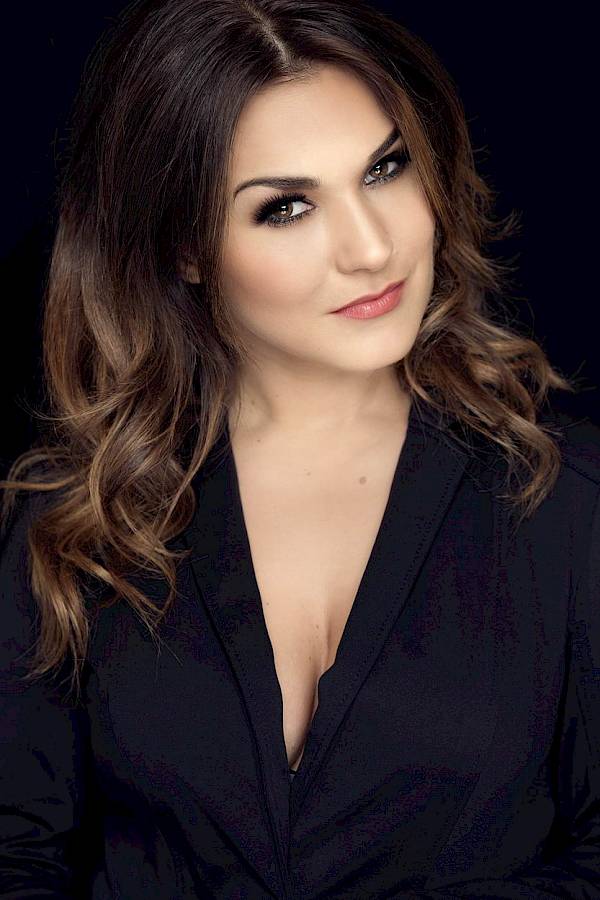
Giulia Olga Peretyatko


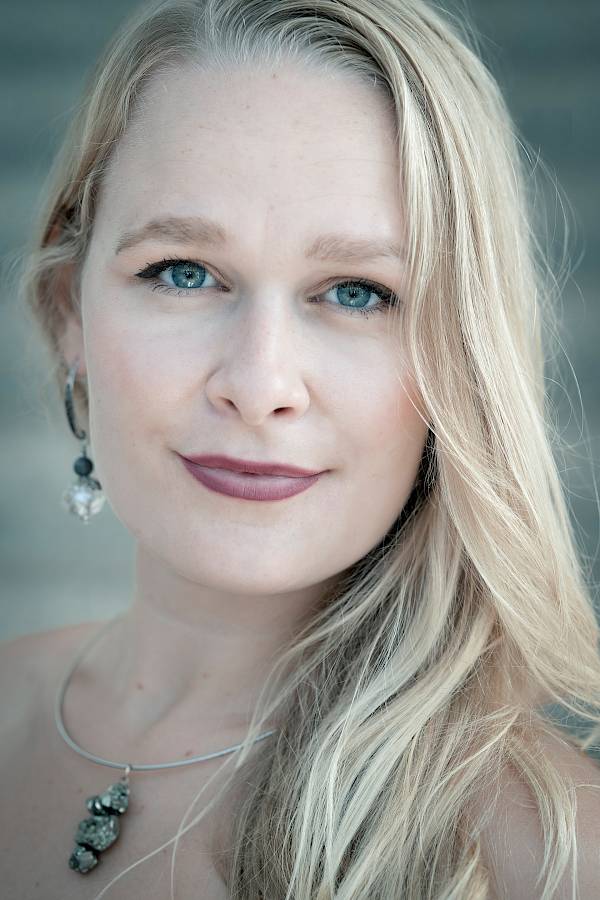
Lucilla Siena Licht Miller


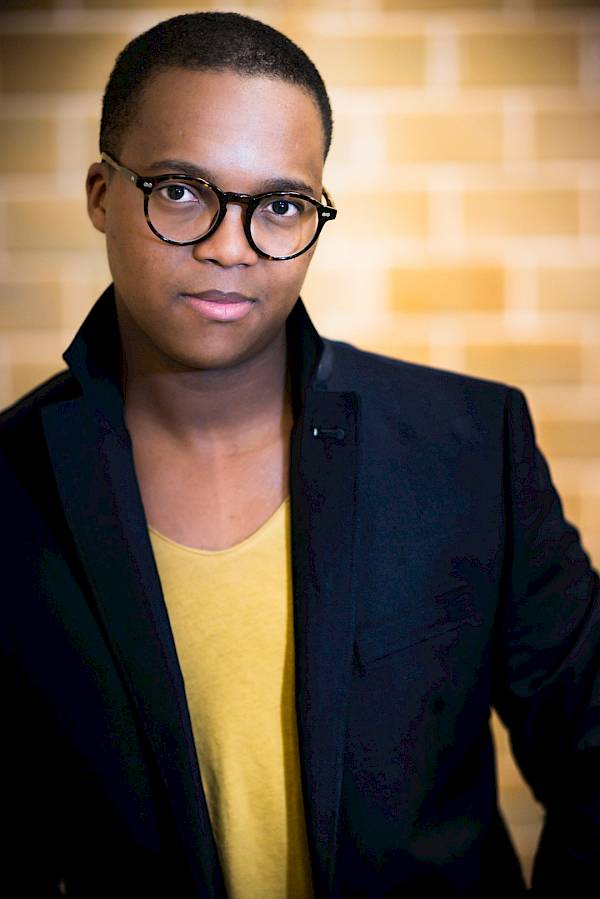
Dorvil Levy Sekgapane


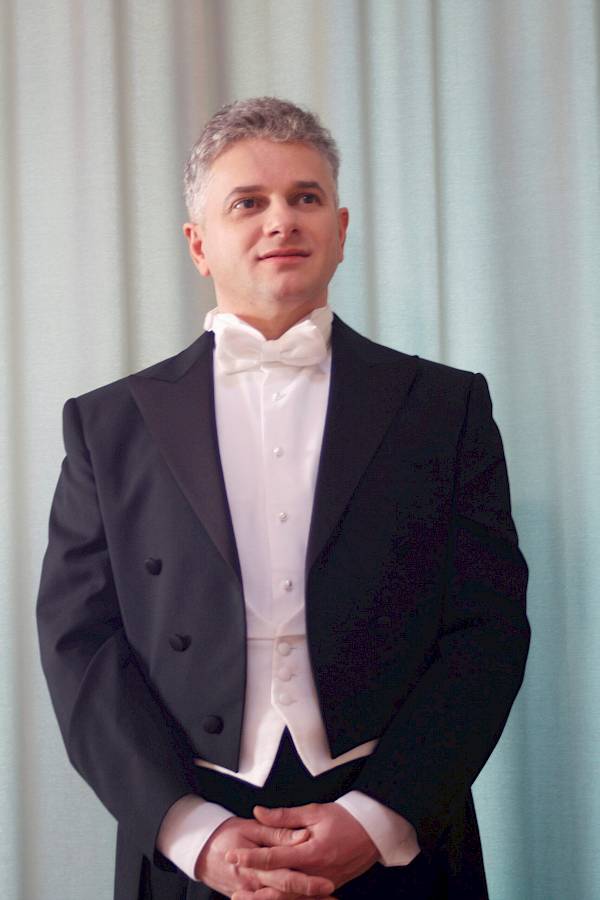
Germano Enrico Marabelli


Blansac Nahuel Di Pierro


Dormont Martin Zysset

Olga Peretyatko

Olga Peretyatko, born in St Petersburg, studied singing at the Hanns Eisler School of Music in Berlin and subsequently was a member of the Opera Studio of the Hamburg State Opera. In 2007 she achieved her international breakthrough as a prizewinner at Plácido Domingo’s Operalia Competition. Since then she has appeared, among others, at the Metropolitan Opera in New York, the Royal Opera House in London, La Scala in Milan, the state operas in Vienna and Berlin, Teatro Real Madrid, Gran Teatre del Liceu Barcelona, as well as at the Opéra Bastille and at the festivals in Salzburg, Baden-Baden, Aix-en-Provence and Pesaro. Her repertoire includes, among others, Violetta ("La traviata"), Gilda ("Rigoletto"), Leonora ("Il trovatore"), Donna Anna ("Don Giovanni"), Norina ("Don Pasquale"), Anna Bolena, Norma, as well as Marguerite ("Faust"), Liù ("Turandot") and Leïla in Bizet’s "Les pêcheurs de perles". At Zurich Opera House she has appeared, among others, as Fiorilla in "Il turco in Italia" and in the current season as Giulia in "La scala di seta". Most recently she sang Magda de Civry in a new production of "La rondine" at the Teatro Regio in Turin and Donna Anna in a new production of "Don Giovanni" in Bologna. In 2018 she gave her first solo recital at La Scala in Milan. For her six albums on Sony Classical she has received multiple awards, and in 2025 she was honoured with the European Cultural Award for her outstanding artistic achievements.

Liederabend Olga Peretyatko5 Oct 2026

Siena Licht Miller

Siena Licht Miller, a German-American mezzo-soprano, studied voice at the Curtis Institute of Music and the Oberlin Conservatory of Music. She completed her training with courses at Opera Philadelphia, the Santa Fe Opera, the Opera Theatre of St. Louis and the Aspen Music Festival. She is a recipient of a Bagby Foundation scholarship and a prizewinner of the Metropolitan Opera National Council Auditions, the Marilyn Horne Rubin Foundation and the Gerda Lissner Foundation. Highlights of her career to date include her role debuts as Hermia in "A Midsummer Night’s Dream", Second Lady in "Die Zauberflöte" and one of the two solo roles in the world premiere of Philip Venables’ "Denis and Katya" at Opera Philadelphia. At the Aspen Opera Center, she sang the title role in Ravel’s "L’Enfant et les sortilèges" under the direction of Robert Spano. She also regularly devotes herself to song recitals. She sang in the "The Song Continues" series at Carnegie Hall in honour of her mentor Marilyn Horne and went on a tour of the USA with a recital alongside pianist Kevin Murphy. From the 2020/21 season, she was associated with the Zurich Opera House, first as a member of the International Opera Studio and, since 2022/23, as a member of the ensemble of Zurich Opera House, where she most recently appeared in "La scala di seta", "Hänsel und Gretel" and "La clemenza di Tito", among others. In 2026/27, she will appear as Prince Orlofsky in "Die Fledermaus", Flora Bervoix in "La traviata", Rossweisse in "Die Walküre" and Flosshilde in "Das Rheingold" and "Götterdämmerung".

Die Fledermaus29 Sept / 8 / 17 / 23 / 25 Oct 2026 Das Rheingold29 Nov / 4 / 12 / 17 Dec 2026 La traviata20 / 23 / 29 Dec 2026 / 1 / 3 / 6 / 9 / 12 / 15 / 19 / 23 Jan 2027 Die Walküre24 / 31 Jan / 3 / 6 Feb 2027

Levy Sekgapane

The tenor Levy Sekgapane was born in South Africa and studied voice at the South African College of Music at the University of Cape Town. During his studies, he appeared in various opera productions in South Africa, including "La bohème," "The Rake’s Progress," and "Les Contes d’Hoffmann." In the 2015/16 season, he was a member of the Young Ensemble at the Semperoper Dresden. After winning the Operalia singing competition in 2017, guest engagements took him to the Hamburg State Opera, the Gran Teatre del Liceu in Barcelona, the Rossini Opera Festival in Pesaro, the Donizetti Festival in Bergamo, and the Salzburg Festival. His signature roles include Count Almaviva ("Il barbiere di Siviglia"), which he has performed at the Glyndebourne Festival, the Opéra National de Paris, the Deutsche Oper Berlin, the Opéra National de Bordeaux, and the Vienna State Opera, as well as Don Ramiro ("La Cenerentola"), which he has sung at the Bavarian State Opera in Munich, in Hamburg, Los Angeles, and Dresden, and alongside Cecilia Bartoli in Zurich. He has also appeared in the world premiere of Kris Defoort’s "The Time of Our Singing" at La Monnaie in Brussels and in "Idomeneo" at the Salzburg Festival, made his debut with Rossini’s "Otello" at the Frankfurt Opera and in "I puritani" at the Théâtre des Champs-Élysées, returned to Cape Town as Nadir ("Les pêcheurs de perles"), and performed with Olga Peretyatko in a New Year’s Gala Concert at the Elbphilharmonie Hamburg. In 2019, he released his solo debut album of Rossini arias with the Munich Radio Orchestra conducted by Giacomo Sagripanti.

Enrico Marabelli

The baritone Enrico Marabelli was born in Pavia, Italy. He made his operatic debut as Ford in «Falstaff» in Como, Italy, as a winner of the AsLiCo singing competition. Since then, he has performed at some of the world’s major opera houses and has worked with conductors such as Bruno Campanella, Nicola Luisotti, Enrique Mazzola, Kazushi Ono, Daniel Oren, and Alberto Zedda. His key roles include Don Bartolo in «Il barbiere di Siviglia», Fra Melitone in «La forza del destino», as well as appearances in «L’elisir d’amore» at the Staatsoper Unter den Linden in Berlin. At Teatro alla Scala in Milan, he appeared as Masetto in «Don Giovanni», and at La Monnaie in Brussels as Ford and in «La sonnambula». At the Festival d’Aix-en-Provence, he portrayed Dandini in «La Cenerentola». Further engagements have taken him to the Deutsche Oper Berlin as Germano in «La scala di seta», to the New Israeli Opera in Tel Aviv as Mercutio in «Roméo et Juliette», and to the Puccini Festival in Torre del Lago for «Tosca» and «Madama Butterfly». He has also appeared in «Il viaggio a Reims» and «La pietra del paragone» at the Opéra de Monte-Carlo, and in «Il turco in Italia» at the Theater an der Wien. Most recently, he has sung the roles of Gianni Schicchi and Enrico VIII («Anna Bolena») in Hong Kong, Lescaut («Manon Lescaut») at the Opera Carlo Felice in Genoa, Sergeant Sulpice («La fille du régiment») at Grange Park Opera, as well as Fra Melitone and Dulcamara («L’elisir d’amore») at Theater Bonn.

Nahuel Di Pierro

The bass Nahuel Di Pierro was born in Buenos Aires, where he studied voice at the Instituto Superior de Arte of the Teatro Colón and appeared there as Masetto (“Don Giovanni”), Figaro, Colline (“La bohème”), and Guglielmo (“Così fan tutte”). After joining the Paris Opera Studio and the Young Singers Project at the Salzburg Festival, he went on to perform at the Deutsche Oper Berlin, Dutch National Opera, in Santiago de Chile and Buenos Aires, at the Opéra National de Bordeaux, and regularly at the Paris Opera, as well as at the festivals in Salzburg, Glyndebourne, and Beaune. His roles include Leporello (“Don Giovanni”) in Salzburg, Aix-en-Provence, and Tel Aviv; Colline and Masetto at the Royal Opera House in London; Osmin (“Die Entführung aus dem Serail”) at the Théâtre des Champs-Élysées; Guglielmo at the Edinburgh Festival; the title role in “Le nozze di Figaro” at the Houston Grand Opera; Seneca (“L’incoronazione di Poppea”) at the Gran Teatre del Liceu in Barcelona; Osmin at the Zurich Opera House and in Geneva; and Claudio (“Agrippina”) also in Zurich. Recent concert highlights include Handel’s “Messiah” and Paisiello’s “Missa Defunctorum” in Salzburg, Bach’s “St John Passion” and Rossini’s “Stabat Mater” in Paris, Mozart’s “Requiem” in Versailles, at the Théâtre des Champs-Élysées, Teatro San Carlo, Teatro Regio di Torino, in Valencia, and at the Wiener Festwochen, as well as Schubert’s Mass in E-flat major with the Chicago Symphony Orchestra. His discography includes recordings of the baroque operas “Les Paladins” and “Ercole Amante,” as well as Mozart’s “Betulia liberata” and “Requiem.” He also released the album “Anclao en Paris,” dedicated to the tango music of his hometown Buenos Aires.

Rinaldo14 / 19 / 23 / 25 / 27 / 29 Mar 2027

Martin Zysset

Martin Zysset was born and raised in Solothurn. He trained as a clarinettist while simultaneously studying voice, which he complemented with masterclasses with Ernst Haefliger and Edith Mathis. In 1990/91, he was a member of the International Opera Studio at Zurich Opera House and at the same time a scholarship holder of the Migros Cooperative Federation and a prizewinner at the Pro Arte Lyrica Competition in Lausanne. Since 1992, he has been a regular guest at the summer theatre in Selzach. He has been a permanent member of the ensemble at Zurich Opera House since 1991. Here, he has developed a broad repertoire of both buffo and dramatic roles, including Pedrillo, Monostatos, Spoletta, Incredibile ("Andrea Chénier"), Jaquino, Kudrjasch ("Káťa Kabanová"), Alfred ("Die Fledermaus"), Tamino, Tybalt, Dancaïro, Arturo, the Gingerbread Witch, Brighella and the male lead in Udo Zimmermann’s "Weisse Rose". He portrayed Simplicius in the operetta of the same name by Johann Strauss, which was also released on CD and DVD. Guest appearances have taken him throughout Europe, to Shanghai and, with "Die Zauberflöte", "Le nozze di Figaro", "Fidelio" and "Tannhäuser", to San Diego. Most recently in Zurich, he has sung Don Basilio ("Le nozze di Figaro"), Chekalinsky ("Pique Dame"), Triquet ("Jewgeni Onegin"), the Chief Eunuch ("Das Land des Lächelns"), Goro ("Madama Butterfly"), Spoletta ("Tosca"), Dormont ("La scala di seta"), the White Minister ("Le Grand Macabre"), the Devil/Narrator ("Die Geschichte vom Soldaten"), the Third Jew ("Salome"), Schmidt ("Werther"), Feri ("Die Csárdásfürstin") and Don Curzio ("Le nozze di Figaro"), among others. In the 2026/27 season, he will also be heard for the first time as Giuseppe in Verdi’s "La traviata".

Die Fledermaus29 Sept / 8 / 17 / 23 / 25 Oct 2026 La traviata20 / 23 / 29 Dec 2026 / 1 / 3 / 6 / 9 / 12 / 15 / 19 / 23 Jan 2027 Le nozze di Figaro2 / 6 / 8 / 15 / 19 May 2027 Tosca11 / 14 / 17 / 21 / 24 Apr / 13 / 17 May 2027
Show full cast Show less

Orchestra of the Zurich Opera House

Cast

Oiseaux Rebelles11 / 13 / 16 / 18 / 27 Sept 2026 Die Zauberflöte20 / 25 Sept / 6 / 18 / 21 / 24 / 30 Oct 2026 / 2 / 8 / 18 / 20 / 23 Apr 2027 La rondine24 / 27 Sept / 1 / 10 / 15 Oct 2026 Tannhäuser26 Sept / 4 / 9 / 13 Oct 2026 Die Fledermaus29 Sept / 8 / 17 / 23 / 25 Oct 2026 Ein Sommernachtstraum11 / 16 / 18 / 25 / 28 / 29 / 31 Oct / 12 / 13 / 14 Nov 2026 / 19 / 22 / 29 Jun / 3 Jul 2027 1th Philharmonic Concert3 Oct 2026 Alice im Wunderland8 / 15 / 19 / 21 / 26 / 28 Nov / 6 Dec 2026 / 2 / 7 / 8 / 10 / 17 Jan 2027 Romeo und Julia20 / 27 / 29 Nov / 6 / 13 / 19 / 26 / 27 Dec 2026 Elektra22 / 26 Nov / 2 / 5 / 10 / 13 / 16 Dec 2026 Das Rheingold29 Nov / 4 / 12 / 17 Dec 2026 Gabetta & Noseda7 Nov 2026 Manon Lescaut11 / 15 / 18 / 22 / 26 Dec 2026 La traviata20 / 23 / 29 Dec 2026 / 1 / 3 / 6 / 9 / 12 / 15 / 19 / 23 Jan 2027 Die lustige Witwe27 / 31 Dec 2026 / 3 / 7 / 10 / 13 Jan 2027 Fuchs & Jordan1 / 2 Jan 2027 Trifonov & Järvi16 Jan 2027 Die Walküre24 / 31 Jan / 3 / 6 Feb 2027 Doctor Atomic7 / 11 / 14 / 20 / 24 / 28 Feb 2027 Roméo et Juliette12 / 19 / 21 Feb / 2 / 5 Mar 2027 Sorita & Lyniv14 Feb 2027 La fanciulla del west25 / 28 Feb / 3 / 7 Mar / 4 / 7 / 10 / 16 Apr 2027 Tosca11 / 14 / 17 / 21 / 24 Apr / 13 / 17 May 2027 L'elisir d'amore25 / 27 / 29 Apr / 2 / 6 / 9 / 12 / 14 / 17 / 21 May 2027 Le nozze di Figaro2 / 6 / 8 / 15 / 19 May 2027 Balanas & Peltokoski18 Apr 2027 Requiem pour Ophélie4 / 7 / 9 May 2027 See the music, hear the dance22 / 28 May / 6 / 10 / 12 / 15 / 25 / 26 / 27 Jun 2027 Don Pasquale23 / 27 / 30 May / 4 / 6 / 11 Jun 2027 Samson et Dalila13 / 17 / 20 / 24 / 27 / 30 Jun / 2 / 9 Jul 2027 La bohème16 / 18 / 23 Jun / 4 / 7 / 10 Jul 2027 Don Carlo1 / 6 / 8 / 11 Jul 2027 Viotti29 May 2027 Rachmaninow – Die drei Opern1 / 4 / 8 / 15 / 18 / 21 / 28 Nov 2026 Benefizkonzert «amiamusica»2 Oct 2026 Open-Air-Konzert4 Jul 2027

Extras' Association at the Zurich Opera House

Der Statistenverein am Opernhaus Zürich wurde im Jahr 1900 gegründet und dürfte damit einer der traditionsreichsten Vereine auf dem Kulturplatz Zürich sein. Rund hundert Frauen und Männer im Alter von 16 bis 70 Jahren bereichern das Bühnengeschehen in zahlreichen Inszenierungen.Statisten, früher auch als Figuranten bezeichnet, haben generell nicht sprechende Rollen. Ihre Einsätze am Opernhaus Zürich fallen je nach Inszenierung unterschiedlich umfangreich aus. Während früher Massenszenen im Vordergrund standen, sind die Statistinnen und Statisten seit der Ära Pereira und der Intendanz von Andreas Homoki zunehmend auch für aufwändigere Einzelauftritte sowie für anspruchsvolle technische Einsätze gefragt. Die Mitglieder des Statistenvereins üben ihre Einsätze in der Freizeit und ohne finanzielle Interessen aus. Sie bringen Begeisterung für Musik und Theater mit.

Alice im Wunderland8 / 15 / 19 / 21 / 26 / 28 Nov / 6 Dec 2026 / 2 / 7 / 8 / 10 / 17 Jan 2027 Manon Lescaut11 / 15 / 18 / 22 / 26 Dec 2026 Die lustige Witwe27 / 31 Dec 2026 / 3 / 7 / 10 / 13 Jan 2027 Die Walküre24 / 31 Jan / 3 / 6 Feb 2027 Roméo et Juliette12 / 19 / 21 Feb / 2 / 5 Mar 2027 Tosca11 / 14 / 17 / 21 / 24 Apr / 13 / 17 May 2027 Le nozze di Figaro2 / 6 / 8 / 15 / 19 May 2027 La bohème16 / 18 / 23 Jun / 4 / 7 / 10 Jul 2027 Don Carlo1 / 6 / 8 / 11 Jul 2027 La fanciulla del west25 / 28 Feb / 3 / 7 Mar / 4 / 7 / 10 / 16 Apr 2027 Die Fledermaus29 Sept / 8 / 17 / 23 / 25 Oct 2026 Elektra22 / 26 Nov / 2 / 5 / 10 / 13 / 16 Dec 2026 Rinaldo14 / 19 / 23 / 25 / 27 / 29 Mar 2027 Samson et Dalila13 / 17 / 20 / 24 / 27 / 30 Jun / 2 / 9 Jul 2027 Tannhäuser26 Sept / 4 / 9 / 13 Oct 2026 Doctor Atomic7 / 11 / 14 / 20 / 24 / 28 Feb 2027 Die Zauberflöte20 / 25 Sept / 6 / 18 / 21 / 24 / 30 Oct 2026 / 2 / 8 / 18 / 20 / 23 Apr 2027

Abstract

A silk ladder (La scala di seta) enables Giulia to receive her husband, whom she married against her guardian’s wishes, in her room night after night. The fact that three men end up using the silk ladder is one of the unsavory complications of this comedy. Director Damiano Michieletto presents the six-character work as a fast-paced sitcom, true to Rossini’s motto that the everyday must be exaggerated in order for it to become an opera.

Read more Show less


Good to know

Synopsis

Giulia receives her lover, Dorvil, in her apartment by means of a “silken ladder” every night. However, this time the couple is disturbed by Germano, the domestic, who has also taken a shine to Giulia. He ascribes Giulia’s unease to her imminent marriage: Dormont, her guardian, has decided to marry her to Dorvil’s friend, Blansac. Scarcely has Giulia succeeded in ridding herself of the persistent Germano than another uninvited guest is announced. It is Giulia’s cousin, Lucilla, who tells her that she must go to her guardian immediately. Dorvil is fearful of Giulia meeting the lady-killer Blansac, but Giulia cannot understand his jealousy.  She reassures him and makes an appointment with him for midnight. Dorvil has just managed to climb out of the window when Dormont appears, bringing Giulia the news that Blansac is about to arrive. Lucilla has already seen him – and she likes him.
In order to rid herself of Blansac, Giulia plans to take advantage of Lucilla’s infatuation for Blansac and pair them off. To do so, she involves Germano, who, however, takes her advances at face value. When she asks him to observe Lucilla and Blansac, he complies, disappointed, with her wishes. Giulia has scarcely walked away when Blansac also arrives in the company of Dorvil, whom he has chosen to be his best man. Dorvil attempts to dissuade Blansac from marrying Giulia and claims that she has no interest in him and is merely obeying her guardian’s orders. Blansac, his honour piqued, bets Dorvil that Giulia will be at his feet in no time, and Dorvil shall be his witness. Both worried and curious, Dorvil agrees to play the observer. Shortly thereafter, Giulia indeed seems to respond to Blansac’s advances, but in reality is merely testing whether he could be a worthy husband for her cousin. Dorvil, meanwhile, interprets Giulia’s behaviour completely differently. When Germano ferrets him out, he reveals his identity, much to Giulia’s horror. Only with great effort is he able to conceal his jealousy. Giulia, however, is not willing to explain the situation; and so Germano must once again play the scapegoat.

Interval

Despite the abortive meeting with Giulia, Blansac is still confident of victory. He encounters Lucilla. As an inveterate philanderer, he immediately pays court to her, and Lucilla indeed takes the bait. Blansac is enraptured to find two willing women in one house.
Giulia appears. Although she is disappointed by Dorvil’s behaviour, she longs to meet him. Germano overhears some of what she says and thus learns that she grants a man a “randevù” every night. When the name “Blansac” is mentioned, Germano is convinced that he is Giulia’s nocturnal guest. Half asleep and confused by events, he reports this news to the delighted Blansac. As he cannot keep the secret to himself, Germano also tells Lucilla about the nightly trysts. The two of them decide to hide in order to observe the spectacle.
It is midnight. Dorvil climbs into the room. He heaps accusations on Giulia, while she protests her innocence. A short while later, Blansac also manages to climb into Giulia’s room. Surprised, Giulia hides Dorvil, raging with jealousy, in another room. While she attempts to clarify the misunderstanding with Blansac, a third visitor now also climbs through the window: it is Dormont, who has discovered the ladder. One man after the other now has to reveal himself, and Dormont, who is beginning to see his hopes dashed, wants to have the marriage contract between Giulia and Blansac drafted immediately. At this point, Giulia and Dorvil come clean and announce to her astonished guardian that a “good aunt” has already agreed to their marriage. The bewildered Dormont turns to Blansac. However, when the latter reveals that he wishes to marry Lucilla, Dormont has no choice but to bow before the laws of love.