














Romeo und Julia

Ballet by Christian Spuck
In three acts after the tragedy by William Shakespeare
Music von Sergei Prokofiev (1891-1953)

From 25. May 2019 until 27. June 2019

  • Duration :
    2 H. 30 Min. Inkl. Pause after 2nd act after approx. 1 H. 20 Min.
  • More information:
    Introduction 45 min before the performance.

Choreography:
Christian Spuck

Christian Spuck

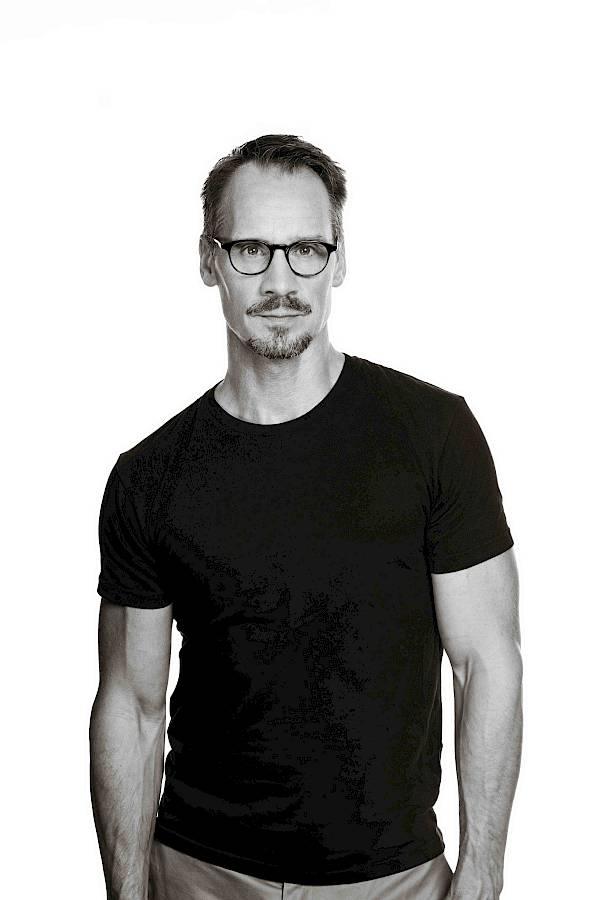
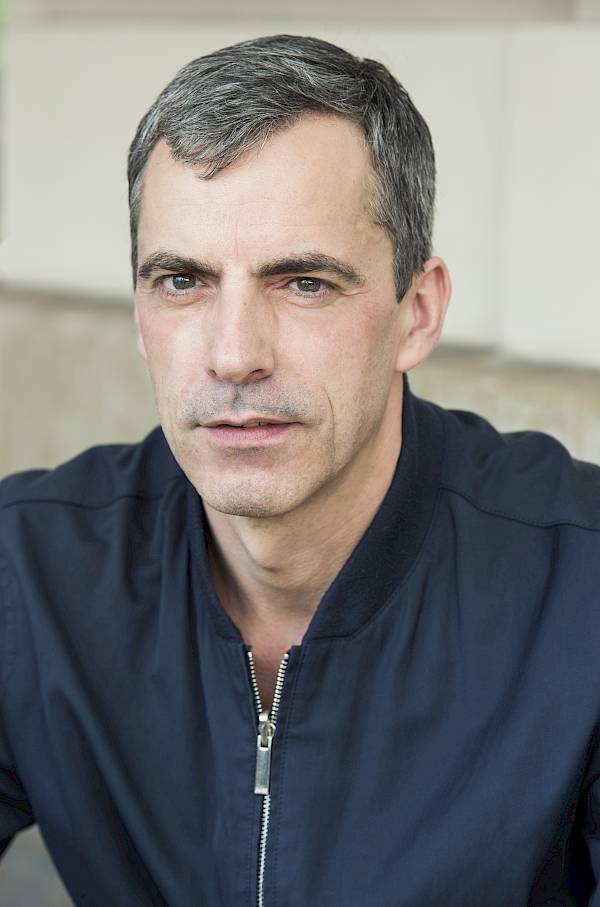
Christian Spuck is from Marburg and was trained at the John Cranko School in Stuttgart. He began his dance career with Jan Lauwers’ Needcompany and Anne Teresa de Keersmaeker’s ensemble "Rosas". In 1995 he joined the Stuttgart Ballet and served as the company’s resident choreographer from 2001 to 2012. In Stuttgart, he created fifteen world premieres, including the narrative ballets "Lulu. Eine Monstretragödie" after Frank Wedekind, "Der Sandmann", and "Das Fräulein von S." after E.T.A. Hoffmann. In addition, Christian Spuck has worked with numerous prominent ballet companies across Europe and the USA. For the Royal Ballet of Flanders, he created "The Return of Ulysses" in 2006, and at the Norwegian National Ballet in Oslo, "Woyzeck" after Georg Büchner was premiered. His ballet "Die Kinder" at Aalto Ballett Essen was nominated for the Prix Benois de la Danse; the ballet "Leonce und Lena", also premiered in Essen and based on Georg Büchner, was taken up by the Grands Ballets Canadiens de Montréal, Charlotte Ballet, USA, the Czech National Ballet in Prague, and the Stuttgart Ballet. The premiere of "Poppea//Poppea" for Gauthier Dance at Theaterhaus Stuttgart in 2010 was selected by Dance Europe magazine as one of the ten most successful dance productions worldwide and was awarded the German theater prize Der Faust 2011 as well as the Italian "Danza/Danza Award." Christian Spuck has also directed operas: following Gluck’s "Orphée et Euridice" at the Stuttgart State Opera, he staged Verdi’s "Falstaff" at the Staatstheater Wiesbaden, as well as Berlioz’ "La damnation de Faust" and Wagner’s "The Flying Dutchman" at the Deutsche Oper Berlin. From 2012 to 2023, Christian Spuck was director of the Zürich Ballet. There he created choreographies for "Romeo and Juliet", "Leonce und Lena", "Woyzeck", "Der Sandmann", "Messa da Requiem", "The Nutcracker and the Mouse King", "Sleeping Beauty", and "Monteverdi". The ballet "Anna Karenina", premiered in Zurich in 2014 and based on Leo Tolstoy, was added to the repertoire in Oslo, at the Moscow Stanislavski Theatre, by the Korean National Ballet, and the Bavarian State Ballet. In 2018, Spuck’s ballet "Winterreise" premiered in Zurich, earning him the Prix Benois de la Danse in 2019. In 2019, the Zürich Ballet staged Helmut Lachenmann’s "Mädchen mit den Schwefelhölzern", recognized as "Production of the Year" and "Company of the Year" by tanz magazine. For the Moscow Bolshoi Theatre, he created the ballet "Orlando" after Virginia Woolf in 2021. His "Messa da Requiem" was not only invited to the Adelaide Festival in Australia but also adopted by Het Nationale Oper & Ballet Amsterdam and the Finnish National Ballet. Since the beginning of the 2023/24 season, Christian Spuck has been the artistic director of the Staatsballett Berlin.

Messa da Requiem20 / 22 / 28 Feb / 1 / 5 / 7 Mar / 6 Apr 2026
Music Direction:
Michail Jurowski

Michail Jurowski

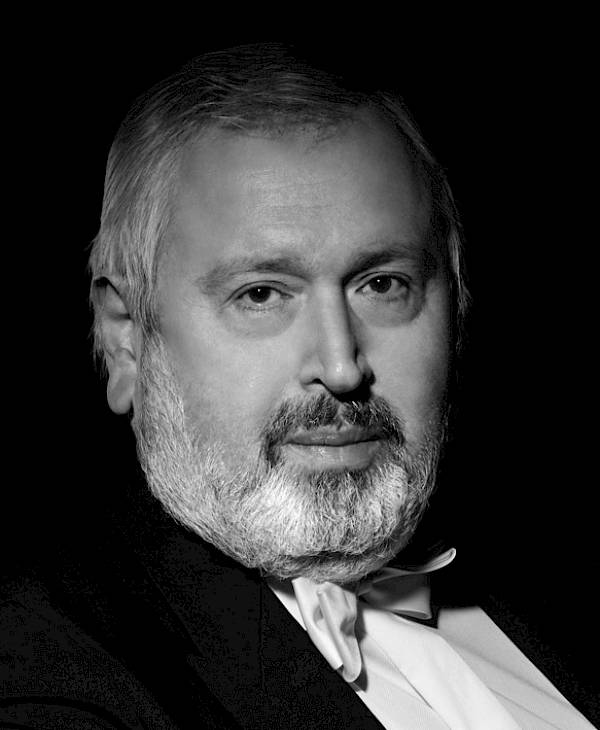
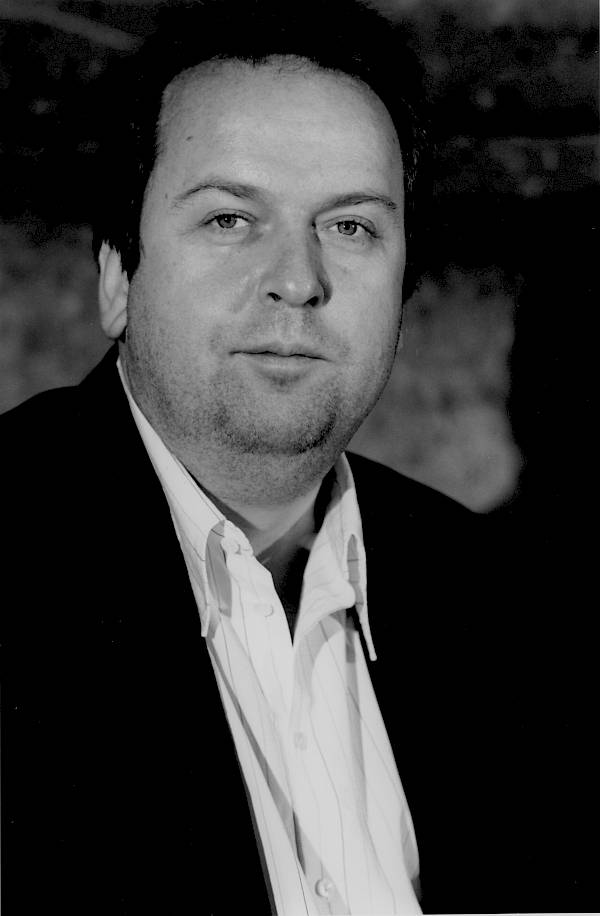
Michail Jurowski studierte am Moskauer Konservatorium bei Leo Ginsburg und Alexej Kandinsky und wurde im Alter von 25 Jahren Assistent von Gennadi Roshdestwensky beim Grossen Symphonieorchester des Staatlichen Rundfunks und Fernsehens in Moskau. 1989 übersiedelte er aufgrund einer Einladung der Semperoper Dresden nach Deutschland und wurde 1990 Musikdirektor und ständiger Gastdirigent der Nordwestdeutschen Philharmonie Herford. Von 1999 bis 2001 war er Chefdirigent an der Oper Leipzig. Er ist ständiger Gastdirigent des Rundfunk-Sinfonieorchesters Berlin, der Deutschen Oper Berlin, des Tonkünstlerorchesters Wien, des Odense Symphony Orchestra und des Norrköping Symphony Orchestra. Von 2006 bis 2008 war er Chefdirigent des WDR-Rundfunkorchesters Köln. Höhepunkte seiner Operntätigkeit waren Sir Peter Ustinovs Produktion «Iolanthe» und Rachmaninows Francesca da Rimini bei den Dresdner Musikfestspielen, Boris Godunow an der Deutschen Oper Berlin, Schostakowitschs Nase an der Oper Leipzig und Prokofjews Die Liebe zu den drei Orangen an der Komischen Oper Berlin, Parsifal am Teatro Carlo Felice in Genua, Tosca, La traviata und Die Zarenbraut an der Oper Frankfurt, Götterdämmerung in Dortmund, Tschaikowskis Dornröschen in Oslo sowie Respighis Marie Victoire, Un ballo in maschera und Rienzi an der Deutschen Oper Berlin. Am Opernhaus Zürich dirigierte er Glasunows Raymonda.

Stage design:
Christian Schmidt

Christian Schmidt

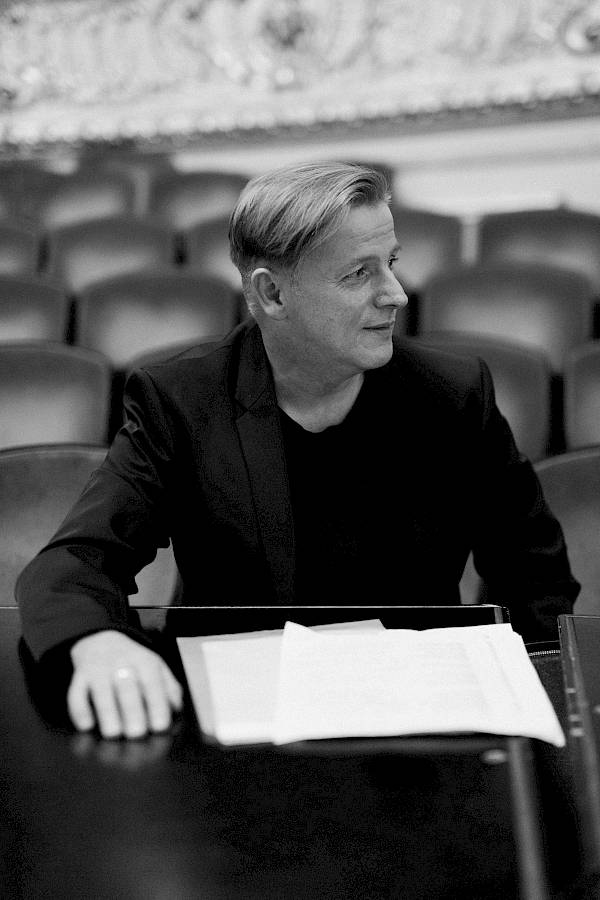
Christian Schmidt studied stage design with Erich Wonder at the Academy of Fine Arts Vienna. In 1992, he collaborated for the first time with Claus Guth, leading to an intensive artistic partnership. He has since designed sets and costumes for numerous Guth productions, including "Iphigénie en Tauride" and "Le nozze di Figaro" at the Salzburg Festival, "The Flying Dutchman" at the Bayreuth Festival, "Fierrabras", "Radamisto", "Ariane et Barbe-Bleue", "Tristan und Isolde", and "Parsifal" at the Zurich Opera House, as well as Mozart’s "Lucio Silla" at the Vienna Festival Weeks. The team has also gained recognition for world premieres, including Czernowin’s "Pnima" and Staud’s "Berenice" at the Munich Biennale, Ruzicka’s "Celan" in Dresden, Oehring’s "Unsichtbar Land" in Basel, and Czernowin’s "Heart Chamber" at the Deutsche Oper Berlin. For Hans Neuenfels’ productions of Zemlinsky’s "Der König Kandaules" at the Vienna Volksoper (1997) and "Die Entführung aus dem Serail" in Stuttgart (1998), Schmidt created the award-winning designs. In 2003, Opernwelt named him "Set Designer of the Year" and in 2005 "Costume Designer of the Year". He received the Rolf-Mares-Preis in 2006 for the set of "Simon Boccanegra" in Hamburg. In 2010, he worked for the first time with Christof Loy ("Die lustige Witwe" in Geneva). For Christian Spuck, he created the sets for Gluck’s "Orphée et Eurydice" in Stuttgart and for "Romeo and Juliet" and "Messa da Requiem" in Zurich. Since 2011, he has also collaborated with Andreas Homoki and, together with him, directed the Zurich "Ring of the Nibelung" from 2022 to 2024.

Messa da Requiem20 / 22 / 28 Feb / 1 / 5 / 7 Mar / 6 Apr 2026
Costumes:
Emma Ryott

Emma Ryott

Emma Ryott is from England and works internationally as a costume and set designer. Since 2003, she has collaborated with Christian Spuck in ballet and opera. Their joint ballet projects include "The Little Match Girl", "Winterreise", "Messa da Requiem", "Anna Karenina", and "Romeo and Juliet" in Zurich; "Lulu. Eine Monstretragödie" and "Das Fräulein von S." in Stuttgart; "Woyzeck" in Oslo and Zurich; "Leonce und Lena" in Montreal, Stuttgart, Zurich, and Prague; "Der Sandmann" in Stuttgart and Zurich; and "The Return of Ulysses" in Antwerp. In opera, they have worked on "The Flying Dutchman" and "La damnation de Faust" at the Deutsche Oper Berlin, "Falstaff" in Wiesbaden, and "Orfeo ed Euridice" in Stuttgart. Other opera productions include "Mathis der Maler" at the Theater an der Wien, "Manon Lescaut" at the English National Opera, "Otello" at the Salzburg Festival, "La damnation de Faust" and "The Great Gatsby" at the Semperoper Dresden, "Marco Polo" at the Guangzhou Opera, "Das Rheingold" and "Die Walküre" at the Longborough Festival, "La bohème" at the Copenhagen Opera Festival, "Roméo et Juliette" in Malmö and at the Savonlinna Opera Festival, and "Orfeo" at the Opéra du Rhin. Their theater work has taken them from the Royal Shakespeare Company through Toronto and the National Theatre London to London’s West End and the New York Broadway. For the globally broadcast 2020 New Year’s Concert of the Vienna Philharmonic, Emma Ryott designed the ballet costumes. Additional ballet projects include "Cinderella" at the Finnish National Ballet, as well as Christian Spuck’s "Orlando" and Yuri Possokhov’s "The Seagull" at the Moscow Bolshoi Theatre.

Messa da Requiem20 / 22 / 28 Feb / 1 / 5 / 7 Mar / 6 Apr 2026
Lighting designer:
Reinhard Traub

Reinhard Traub

Reinhard Traub absolvierte eine Ausbildung als Grafikdesigner und Berufspilot. Von 1980 bis 1985 war er Assistent bei Chenault Spence und gestaltete anschliessend u. a. zwei Welttourneen mit den Produktionen Sophisticated Ladies und Carmen Jones als Lichtdesigner. Seit 1992/93 war er bei den Bühnen Graz tätig und konzipierte Lichtdesigns für Produktionen an den Opernhäusern von Amsterdam, Zürich, Brüssel, Hamburg, Helsinki, Hongkong, Kopenhagen, London, Los Angeles, Madrid, Montreal, Moskau, München, Oslo, für die Salzburger Festspiele, das Glyndebourne Festival sowie für das Hamburger Thalia Theater, die Volksbühne Berlin und das Burgtheater in Wien. Reinhard Traub arbeitet regelmässig mit Regisseuren wie Johann Kresnik, Martin Kušej und Christof Loy zusammen. Seit 2006/07 ist Reinhard Traub Leiter der Beleuchtungsabteilung der Staatsoper Stuttgart. Dort ist er Lichtdesigner für Produktionen wie Jenůfa, Der Schaum der Tage, Ariadne auf Naxos, Nabucco sowie Die Nachtwandlerin, Platée, Der fliegende Holländer, Parsifal und La Bohème. 2017 war Reinhard Traub für das Lichtdesign der Produktion Aida bei den Salzburger Festspielen verantwortlich, ausserdem für Tristan und Isolde (2015), Parsifal (2016) und Lohengrin (2018) bei den Bayreuther Festspielen, denen er zukünftig bei Tannhäuser und Der Ring des Nibelungen verbunden sein wird. Darüber hinaus unterrichtet Reinhard Traub seit 2001 an der Staatlichen Akademie der Bildenden Künste in Stuttgart.

Dramaturgy:
Michael Küster

Michael Küster

Michael Küster is from Germany. After studying German studies, art, and speech science at the University of Halle, he worked as a presenter, author, and speaker at various broadcasting stations in Germany. There, he hosted numerous classical music programs and live broadcasts of major concert events, including those from the Metropolitan Opera New York, the Semperoper Dresden, and the Leipzig Gewandhaus.
Since 2002, he has been a dramaturg at the Zurich Opera House, working with directors such as Matthias Hartmann, David Alden, Robert Carsen, Moshe Leiser/Patrice Caurier, Damiano Michieletto, David Pountney, Johannes Schaaf, and Graham Vick.
As dramaturg of Ballett Zürich, Michael Küster has collaborated since 2012 with Cathy Marston, Marco Goecke, Marcos Morau, Kim Brandstrup, Edward Clug, Alexei Ratmansky, William Forsythe, Jiří Kylián, and Hans van Manen. Together with Christian Spuck, he worked on productions including «Winterreise» («Prix Benois de la Danse»), «Romeo and Juliet», «Messa da Requiem», and «The Sleeping Beauty».
At La Scala in Milan, Michael Küster was dramaturg for Matthias Hartmann’s opera productions of «Der Freischütz», «Idomeneo», and «The Queen of Spades».

Oiseaux Rebelles12 / 18 / 23 / 25 / 31 Oct / 1 / 9 / 13 Nov / 2 / 5 / 6 / 9 Dec 2025 Clara13 / 14 / 19 / 20 / 26 / 28 Dec 2025 / 11 / 12 / 17 / 19 / 24 Apr 2026 Countertime5 / 7 / 14 Sept 2025 Timeframed17 / 18 / 22 / 25 / 30 Jan / 1 / 4 / 6 / 8 / 11 / 12 Feb 2026 The Butterfly Effect4 / 13 / 23 Apr 2026 Messa da Requiem20 / 22 / 28 Feb / 1 / 5 / 7 Mar / 6 Apr 2026 Romeo und Julia23 / 29 / 30 May / 4 / 6 / 7 / 10 / 12 / 14 / 23 / 26 Jun 2026 Nachtträume20 / 25 / 28 / 30 Jun / 4 Jul 2026

Cast


Graf Capulet Lucas Valente


Gräfin Capulet Eva Dewaele


Julia Katja Wünsche


Romeo William Moore


Mercutio Daniel Mulligan


Benvolio Christopher Parker


Paris Jan Casier


Julias Amme Elena Vostrotina


Gräfin Capulet Eva Dewaele


Julia Giulia Tonelli


Tybalt Lucas Valente


Romeo Alexander Jones


Mercutio Wei Chen


Benvolio Christopher Parker


Paris Jesse Fraser


Pater Lorenzo Kevin Pouzou


Julias Amme Irmina Kopaczynska


Gräfin Capulet Eva Dewaele


Julia Giulia Tonelli


Tybalt Lucas Valente


Romeo Alexander Jones


Mercutio Wei Chen


Benvolio Christopher Parker


Paris Jesse Fraser


Pater Lorenzo Kevin Pouzou


Julias Amme Irmina Kopaczynska


Graf Capulet Lucas Valente


Gräfin Capulet Eva Dewaele


Julia Katja Wünsche


Romeo William Moore


Mercutio Mark Geilings


Benvolio Christopher Parker


Paris Jan Casier


Julias Amme Elena Vostrotina


Gräfin Capulet Eva Dewaele


Julia Giulia Tonelli


Tybalt Lucas Valente


Romeo Alexander Jones


Mercutio Wei Chen


Benvolio Daniel Mulligan


Paris Dominik White Slavkovský


Pater Lorenzo Kevin Pouzou


Julias Amme Irmina Kopaczynska


Graf Capulet Lucas Valente


Gräfin Capulet Eva Dewaele


Julia Katja Wünsche


Romeo William Moore


Mercutio Daniel Mulligan


Benvolio Christopher Parker


Paris Jan Casier


Julias Amme Elena Vostrotina


Graf Capulet Lucas Valente


Gräfin Capulet Eva Dewaele


Julia Katja Wünsche


Romeo William Moore


Mercutio Daniel Mulligan


Benvolio Christopher Parker


Paris Jan Casier


Julias Amme Elena Vostrotina


Graf Capulet Lucas Valente


Gräfin Capulet Eva Dewaele


Julia Katja Wünsche


Romeo William Moore


Mercutio Daniel Mulligan


Benvolio Christopher Parker


Paris Jan Casier


Julias Amme Elena Vostrotina

Lucas Valente

Lucas Valente comes from Brazil. He studied performing arts and philosophy at the University of São Paulo. His first engagement was with the Ballet Company Laura Alonso in Havana and he was involved in the «Arsenale della Danza» project at the Venice Biennale in 2012. From 2012 to 2016 he danced in the São Paulo Companhia de Dança, where he appeared in choreographies by Edouard Lock, Marco Goecke, William Forsythe, Nacho Duato, and Jiří Kylián, among others. He danced in choreographies by Richard Siegal at the Ballet of Difference in 2017. He has been a member of Ballett Zürich since the 2017/18 season. He presented his choreography Trees Die Standing as a part of the «Junge Choreografen» series. He has appeared as Tybalt/Count Capulet in Christian Spuck’s Romeo und Julia and appeared in Crystal Pite’s Emergence.

Timeframed17 / 18 / 22 / 25 / 30 Jan / 1 / 4 / 6 / 8 / 11 / 12 Feb 2026 The Butterfly Effect4 / 13 / 23 Apr 2026

Eva Dewaele

Eva Dewaele is from Belgium. After completing training at the Royal Ballet School in Antwerp, she was engaged by the Hessisches Staatstheater Wiesbaden, the Theater Luzern, the Opera Göteborg, the Opéra de Lyon, the Cullberg Ballet and the Royal Ballet of Flanders. She has danced in choreographies by William Forsythe, Mats Ek and Jiří Kylián as well as in world premieres by Jacopo Godani, Douglas Lee, David Dawson and Christian Spuck. Eva Dewaele has also appeared in several feature films. With the start of the 2012/13 season she became a member of Ballett Zürich and was also ballet master of the Junior Ballett. She danced Lady Capulet in Christian Spuck’s Romeo und Julia, Rosetta in Leonce und Lena and the Dark Lady in Spuck’s Sonett. As a choreographer, Eva Dewaele created the piece Mit Blick auf for the Hodler retrospective of the Fondation Beyeler and presented the piece Miss(es) as a part of the «Junge Choreografen» series. Her choreography Passing by was created for the Junior Ballett. She has been a ballet master of Ballett Zürich since the 2014/15 season. She staged the production of Christian Spuck’s Anna Karenina at the Stanislavski Theatre in Moscow, the Korean National Ballet, and the Bayerisches Staatsballett.

Katja Wünsche

Katja Wünsche comes from Dresden and was trained at the Staatliche Ballettschule Berlin. She has won prizes at numerous ballet competitions. From 1999 to 2012 she danced in the Stuttgart Ballet, including as a principal dance from 2006. She danced leading roles in choreographies by John Cranko (Romeo und Julia, Der Widerspenstigen Zähmung, Onegin), John Neumeier (Endstation Sehnsucht, Die Kameliendame), Marcia Haydée (Dornröschen, La Sylphide, La fille mal gardée) and Christian Spuck (Lulu, Der Sandmann, Leonce und Lena, Das Fräulein von S.) and ballets by Forsythe, Kylián, León/Lightfoot and Goecke. In 2007 she was awarded the German Dance Prize Future (for promising young artists) and the German Theater Prize Der Faust. Katja Wünsche has been a first soloist with Ballett Zürich since the 2012/13 season. She has been seen in Zurich as Julia in Spuck’s Romeo und Julia, Lena in Leonce und Lena, Marie in Woyzeck, Anna Karenina and Kitty in Anna Karenina and Clara in Der Sandmann. She has also performed in choreographies by Sol León/Paul Lightfoot, Douglas Lee, Martin Schläpfer, Wayne McGregor and Marco Goecke. In 2014 she was awarded the «Tanzpreis der Freunde des Balletts Zürich».

Giulia Tonelli

Giulia Tonelli comes from Italy. She graduated from the Balletto di Toscana and the Ballet School of the Vienna State Opera. After her first engagement at the Vienna State Opera, she danced from 2002 to 2010 with the Royal Ballet of Flanders in Antwerp and from 2004 as a demi-soloist. There she danced Giselle (Petipa) as well as solo roles in choreographies of Forsythe, Balanchine, Kylián, Haydée and Spuck. She has been a member of Ballett Zürich since the 2010/11 season, where she has performed ballets by Spoerli, Goecke, McGregor, Lee, Forsythe, Kylián and Balanchine. She danced Julia in Christian Spuck’s Romeo und Julia, Lena in Spuck’s Leonce und Lena and Betsy in Anna Karenina. In Alexei Ratmansky’s Schwanensee reconstruction she danced in the Pas de trois and she also performed in Forsythe’s Quintett and Spuck’s Messa da Requiem. Last season’s highlights include Emergence by Crystal Pite and Gretchen in Edward Clug’s Faust. During the «Junge Choreografen» series she presented the works Mind Games and Klastos together with Mélissa Ligurgo. In 2013 she was awarded the Giuliana Penzi Prize. In 2017 she received the «Tanzpreis der Freunde des Balletts Zürich».

Lucas Valente

Lucas Valente comes from Brazil. He studied performing arts and philosophy at the University of São Paulo. His first engagement was with the Ballet Company Laura Alonso in Havana and he was involved in the «Arsenale della Danza» project at the Venice Biennale in 2012. From 2012 to 2016 he danced in the São Paulo Companhia de Dança, where he appeared in choreographies by Edouard Lock, Marco Goecke, William Forsythe, Nacho Duato, and Jiří Kylián, among others. He danced in choreographies by Richard Siegal at the Ballet of Difference in 2017. He has been a member of Ballett Zürich since the 2017/18 season. He presented his choreography Trees Die Standing as a part of the «Junge Choreografen» series. He has appeared as Tybalt/Count Capulet in Christian Spuck’s Romeo und Julia and appeared in Crystal Pite’s Emergence.

Timeframed17 / 18 / 22 / 25 / 30 Jan / 1 / 4 / 6 / 8 / 11 / 12 Feb 2026 The Butterfly Effect4 / 13 / 23 Apr 2026

William Moore

William Moore is British and studied at the Royal Ballet School in London. He has won prizes at international ballet competitions. He has belonged to the Stuttgart Ballet since 2005 and was appointed as principal dancer there in 2010. Important roles were Siegfried in Schwanensee, Lensky in Onegin and Lucentio in Der Widerspenstigen Zähmung (all by John Cranko), Armand in Neumeier’s Kameliendame, Leonce in Christian Spuck’s Leonce und Lena, the title role in Marco Goecke’s Orlando, Albrecht in Giselle by Anderson/Savina, Colas in Ashton’s La fille mal gardée. In 2012 William Moore was awarded the German Theater Prize «Der Faust». Since the 2012/13 season he has been first soloist with Ballett Zürich. Important roles include Romeo in Spuck’s Romeo und Julia, Vronsky in Anna Karenina, the Nutcracker in Spuck’s Nussknacker und Mausekönig, Mephisto in Faust by Edward Clug, Petruschka in the choreography by Marco Goecke, and Diaghilev in Goecke’s Nijinski. He has also appeared in pieces by Wayne McGregor, Sol León/Paul Lightfoot, Douglas Lee, and Jiří Kylián. In 2018 he received the «Tanzpreis der Freunde des Balletts Zürich».

Alexander Jones

Alexander Jones comes from Great Britain. He received his dance training at the Royal Ballet School in London. In 2004 he won the gold medal in the Adeline Genée Competition and the Dame Ninette de Valois Prize. In the 2005/06 season he became a member of the Stuttgart Ballet, where he was appointed principal dancer in 2011/12. In Stuttgart he has appeared as Armand Duval in Neumeier’s Kameliendame, Romeo in Cranko’s Romeo und Julia, in the title roles of Cranko’s Onegin and Kevin O’Days Hamlet, as Basilio in Maximiliano Guerra’s Don Quixote and in MacMillan’s Lied von der Erde. He has also danced in choreographies by Balanchine, Robbins, Ashton, Schaufuss, Tetley, Béjart, Haydée, van Manen, Forsythe, Lee, McGregor, Clug, and Spuck. Alexander Jones has been a first soloist of Ballett Zürich since the 2015/16 season. Here he has danced Prince Siegfried in Alexei Ratmansky’s Schwanensee reconstruction, Albrecht in Patrice Bart’s Giselle and Romeo in Romeo und Julia, Nathanael in Der Sandmann and Vronsky in Anna Karenina (all by Christian Spuck), among others.

Daniel Mulligan

Daniel Mulligan comes from Great Britain and studied at the Royal Ballet School in London. After two seasons with the Junior Ballett, he joined Ballett Zürich in the 2009/10 season. He has appeared as a soloist in many of Heinz Spoerli’s choreographies. He danced Mercutio/Benvolio in Christian Spuck’s Romeo und Julia as well as in ballets by Mats Ek (Dornröschen), Hans van Manen (Solo, Kammerballett), Edward Clug (Chamber Minds, Le Sacre du printemps), Sol León/Paul Lightfoot (Skew-Whiff, Speak for Yourself), William Forsythe (Quintett), Jiří Kylián (Gods and Dogs, Stepping Stones, Sweet Dreams), Ohad Naharin (Minus 16), Marco Goecke (Petruschka), Filipe Portugal (Corpus), Douglas Lee, and Crystal Pite. Recent leading roles have included Mephisto in Faust by Edward Clug, Fritz and the Clown in Spuck’s Nussknacker und Mausekönig, as well as Stiva in Spuck’s Anna Karenina.

Wei Chen

Wei Chen is from the USA and trained at Boston Ballet School, Margo Marshall’s School of Ballet, Walnut Hill School, and Houston Ballet’s Ben Stevenson Academy. At the Royal Ballet of Flanders, he danced Siegfried in Marcia Haydée’s «Swan Lake» and Prince Désiré in «The Sleeping Beauty», as well as Lenski in Cranko’s «Onegin». He has also performed in choreographies by Balanchine, Bournonville, Dawson, Forsythe, Godani, McGregor, Nureyev, Pite, Stevenson, and Wheeldon. Since the 2013/14 season, he has been a member of Ballett Zürich, performing in works by Douglas Lee, Jiří Kylián, Marco Goecke, Edward Clug, William Forsythe, and Crystal Pite. He also danced Romeo and Mercutio in Christian Spuck’s «Romeo and Juliet», Benno in Ratmansky’s «Swan Lake», Coppelius in Spuck’s «Sandmann», Albrecht in Patrice Bart’s «Giselle», and the Cello in Cathy Marston’s «The Cellist». In 2023, he received the «Dance Prize of the Friends of Ballett Zürich».

Oiseaux Rebelles18 / 31 Oct / 1 / 9 Nov / 5 / 9 Dec 2025 Clara19 / 26 / 28 Dec 2025 / 11 / 12 / 19 / 24 Apr 2026

Mark Geilings

Mark Geilings comes from Australia, where he was trained at the Australian Ballet School. He danced with the Leipzig Ballet from 2012-2015, where he performed in choreographies by Uwe Scholz, Mario Schröder (the title role in Otello), Meryl Tankard (Cinderella), Ohad Naharin, and Cayetano Soto. He was a member of Gauthier Dance in Stuttgart for the 2015/16 season, where he performed in Marco Goecke’s Nijinsky. He has been a member of Ballett Zürich since the 2016/17 season, where he has appeared in Petruschka by Marco Goecke, Kammerballett by Hans van Manen, Gods and Dogs by Jiří Kylián, Lady with a Fan by Douglas Lee, and as Mercutio in Spuck’s Romeo und Julia, among others.

Christopher Parker

Christopher Parker is from the United Kingdom. He trained at the Royal Ballet School in London and subsequently performed with Scottish Ballet, Junior Ballet Zürich, Aalto Ballett Essen, Ballett Dortmund, and Ballett Zürich (2012–2019). During his time on stage, he danced in productions by Christian Spuck, Marco Goecke, George Balanchine, and William Forsythe. Alongside his career as a dancer, he began designing costumes for stage productions and continues to develop his work. Costumes have been created for choreographies by Craig Davidson, Filipe Portugal, and David Farias. He maintains a close collaboration with Lucas Valente ("All the Things That Might Kill Me," "Scent of Her Gardenias," "Umbra," "Le Sacre du printemps," "Cain," and "Fast Nacht").

Daniel Mulligan

Daniel Mulligan comes from Great Britain and studied at the Royal Ballet School in London. After two seasons with the Junior Ballett, he joined Ballett Zürich in the 2009/10 season. He has appeared as a soloist in many of Heinz Spoerli’s choreographies. He danced Mercutio/Benvolio in Christian Spuck’s Romeo und Julia as well as in ballets by Mats Ek (Dornröschen), Hans van Manen (Solo, Kammerballett), Edward Clug (Chamber Minds, Le Sacre du printemps), Sol León/Paul Lightfoot (Skew-Whiff, Speak for Yourself), William Forsythe (Quintett), Jiří Kylián (Gods and Dogs, Stepping Stones, Sweet Dreams), Ohad Naharin (Minus 16), Marco Goecke (Petruschka), Filipe Portugal (Corpus), Douglas Lee, and Crystal Pite. Recent leading roles have included Mephisto in Faust by Edward Clug, Fritz and the Clown in Spuck’s Nussknacker und Mausekönig, as well as Stiva in Spuck’s Anna Karenina.

Jan Casier

Jan Casier was born in Belgium. He studied at the Royal Ballet School in Antwerp. From 2008 to 2012 he was a member of the Royal Ballet of Flanders where he danced in ballets by John Cranko, William Forsythe, David Dawson and Christian Spuck. He appeared in David Dawson’s Faun(e) as a guest at the English National Ballet. From 2012 to 2014 he was a member of Ballett Zürich, where he performed roles in numerous Christian Spuck ballets, including Leonce in Leonce und Lena, Paris in Romeo und Julia and the title role of Woyzeck. He also danced in choreographies by Edward Clug, Sol León/Paul Lightfoot, Marco Goecke and Wayne McGregor. From 2014 to 2016 he was a member of the Semperoper Ballett Dresden. There he performed in choreographies by Aaron Watkins (Prince in The Nutcracker), William Forsythe, Alexei Ratmansky, David Dawson and Alexander Ekman. Jan Casier returned to Ballett Zürich in 2016. Since his return, he has danced in Forsythe’s Quintett, Godani’s rituals from another when and the title role in Edward Clug’s Faust and Marco Goecke’s Nijinski. He also appeared as Drosselmeier in Christian Spuck’s Nussknacker und Mausekönig. In 2019, he was named «Dancer of the Year» by the «tanz» magazine and was awarded the «Tanzpreis der Freunde des Balletts Zürich».

Jesse Fraser

Jesse Fraser was born in Saskatoon, Canada. Trained at the Royal Winnipeg Ballet School, he joined Stuttgart Ballet in the 2010/11 season. There, he danced in choreographies by Cranko, MacMillan, Spuck, Haydée, Neumeier, Béjart, Forsythe, Cherkaoui, Goecke, Clug, Volpi, and Stiens. He also created his own choreographic works as part of the Noverre Society’s «Young Choreographers» series.
Since the 2015/16 season, he has been a member of Ballett Zürich. Among other roles, he has appeared as Paris in Christian Spuck’s «Romeo and Juliet», Hilarion in Patrice Bart’s «Giselle», the Stag in Edward Clug’s «Peer Gynt», and in choreographies by William Forsythe, Jacopo Godani, Jiří Kylián, Hans van Manen, Cathy Marston, Marcos Morau, Crystal Pite, and Bryan Arias.

Dominik White Slavkovský

Dominik White Slavkovský is Slovakian. Trained at the Bratislava Dance Conservatory, he danced for five years in the Ballet of the Slovak National Theater in Bratislava, most recently as a semi-soloist. He has been a member of Ballett Zürich since the 2014/15 season. In choreographies by Christian Spuck he performed the title role of "Woyzeck", as Drosselmeier in "Nutcracker and Mouse King", Coppelius in "The Sandman", Paris in "Romeo and Juliet" and as Death in Edward Clug's "Peer Gynt". He has also danced in choreographies by George Balanchine, Uwe Scholz, Alexei Ratmansky, Jiří Kylián, William Forsythe, Crystal Pite, Hans van Manen, Nacho Duato, Marco Goecke, James Kudelka, Vladimir Malakhov and many others. In the series "Young Choreographers" he showed his pieces "How to save the world", "Conspiracy" and "Boyband"

Kevin Pouzou

Kevin Pouzou is French. He studied at the École de Danse de l’Opéra de Paris and at the Conservatoire National Supérieur de Musique et de Danse in Paris. In 2007 he became a member of the Staatsballett Berlin, where he was appointed principal dancer in 2015. He has performed as Benno in Patrice Bart’s Schwanensee, as Paris in John Cranko’s Romeo und Julia, as well as in choreographies by George Balanchine, Nacho Duato, Stanton Welch, Angelin Preljocaj, Alexei Ratmansky, Ohad Nahrin, Vladimir Malakhov, and Jiří Kylián. He has been a member of Ballett Zürich since the 2017/18 season, where he has appeared as Prince Siegfried in Alexei Ratmansky’s Schwanensee, Diaghilev in Marco Goecke’s Nijinski, and Albrecht in Patrice Bart’s Giselle.

Elena Vostrotina

Elena Vostrotina comes from St. Petersburg. She received her ballet education at the Vaganova Academy of Russian Ballet. In 2003 she became a member of the Mariinsky Ballet. There she danced among others Odette/Odile in Schwanensee (Petipa/Ivanov), Myrtha in Giselle (Coralli/Perrot), Queen of the Dryads in Don Quixote (Gorsky) and in Approximate Sonata (Forsythe). In 2006 she was engaged by Aaron S. Watkin at the Semperoper Ballett Dresden. Here she was appointed principal dancer and danced a wide repertoire of classical, neoclassical and modern ballets. She has collaborated with renowned choreographers and performed at the Stanislavsky and Nemirovich-Danchenko Moscow Academic Music Theater in Moscow, at the State Theater Novosibirsk, at the gala «Roberto Bolle and Friends», and at the Ballets Bubeníček. Elena Vostrotina has been a first soloist at Ballett Zürich since the 2017/18 season, where season she has appeared as Odette/Odile in Ratmansky’s Schwanensee reconstruction, as the nursemaid in Christian Spuck’s Romeo und Julia, Myrtha in Patrice Bart’s Giselle as well as in Christian Spuck’s Nussknacker und Mausekönig, Winterreise and Nocturne.

Irmina Kopaczynska

Irmina Kopaczynska was born in Poland. She trained at the National Polish Ballet School in Poznan. She is a multiple prizewinner of the National Polish Ballet Competition and has participated in «Premio Roma» and «Prix de Lausanne». After two seasons with the Junior Ballet, she has been a member of Ballett Zürich since the 2011/12 season. She danced the Silver Fairy in Mats Ek’s «Sleeping Beauty», Betsy in Christian Spuck’s «Anna Karenina», the Nurse in Spuck’s «Romeo and Juliet», and the Mother in Marco Goecke’s «Nijinski». She has also appeared in many other works by Christian Spuck and choreographies by William Forsythe, Iacopo Godani, Marco Goecke, Jiří Kylián, Hans van Manen, Marcos Morau, and Crystal Pite.

Clara19 Dec 2025 / 12 / 24 Apr 2026
Ganze Besetzung anzeigen Weniger anzeigen

Abstract

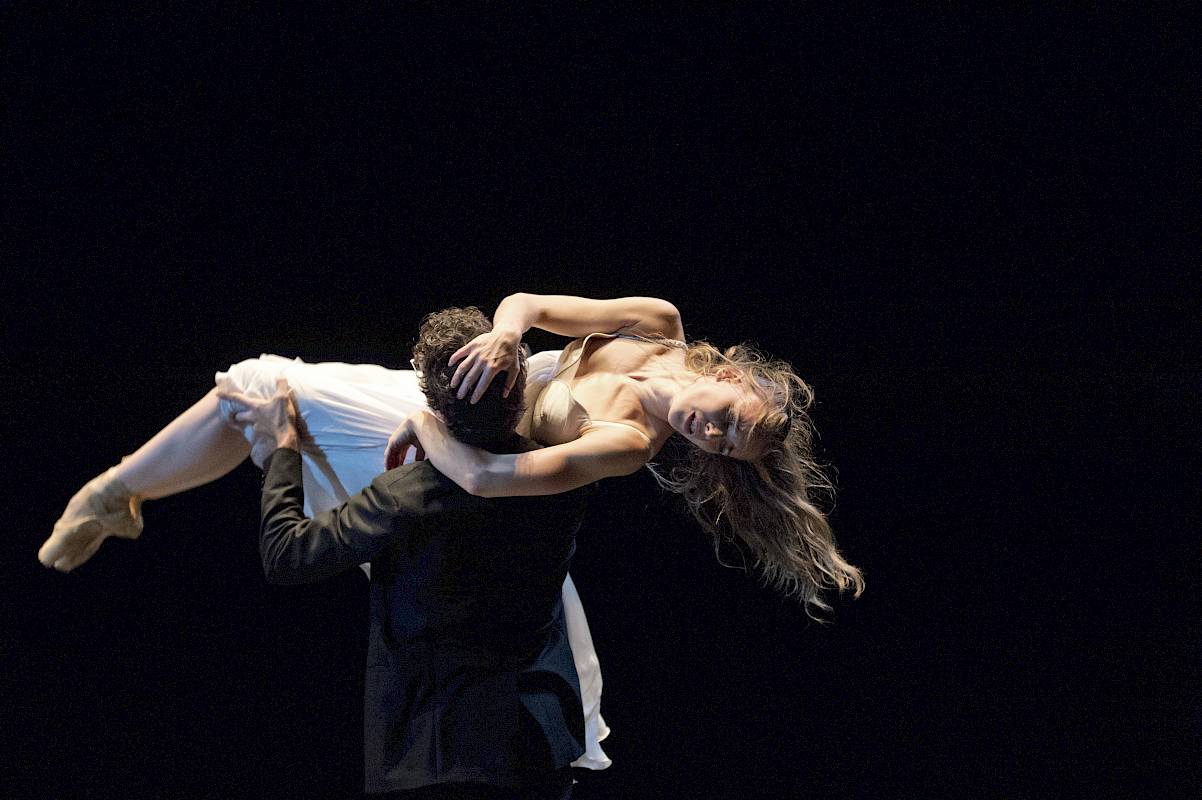
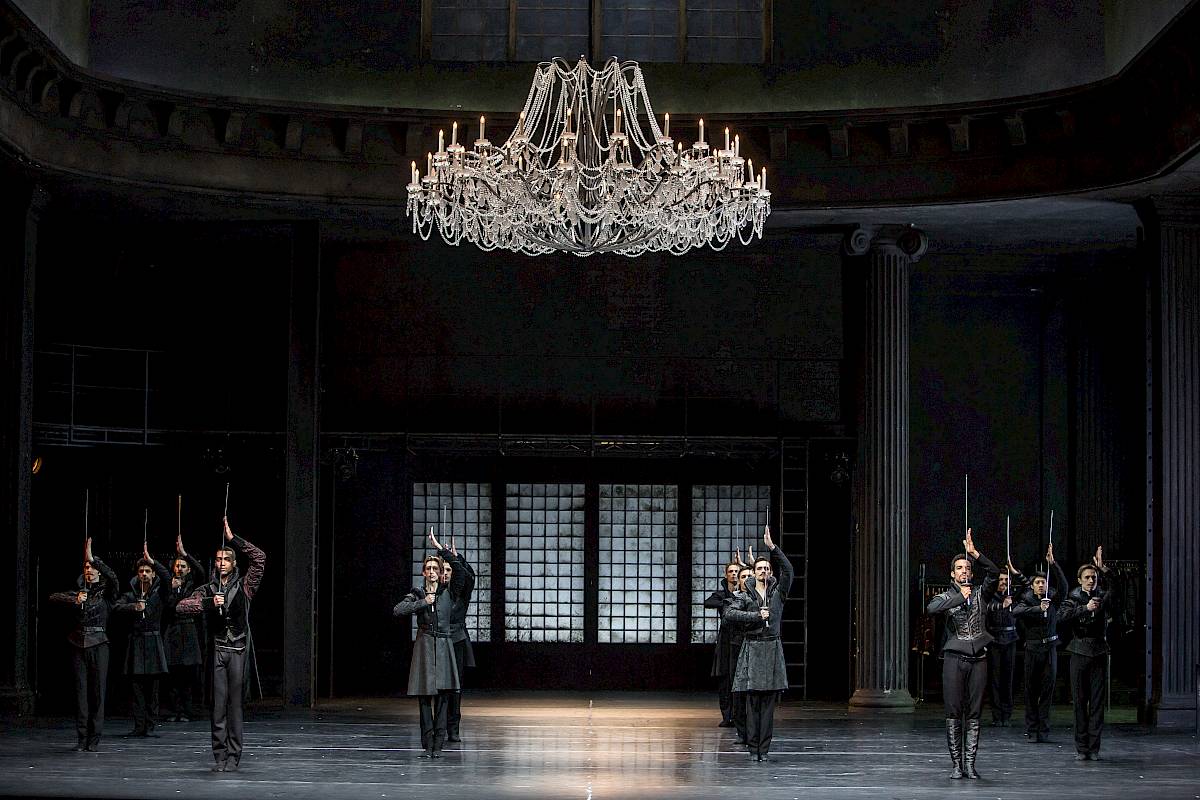
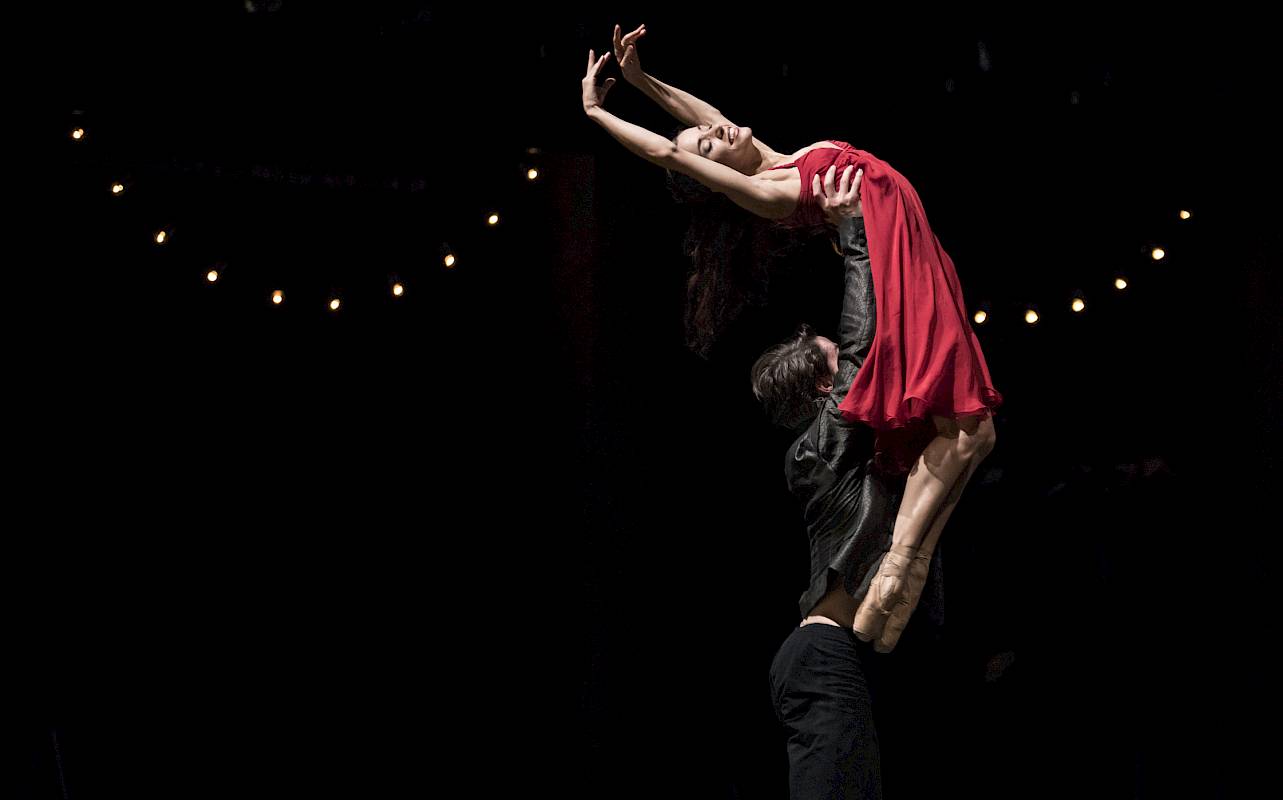
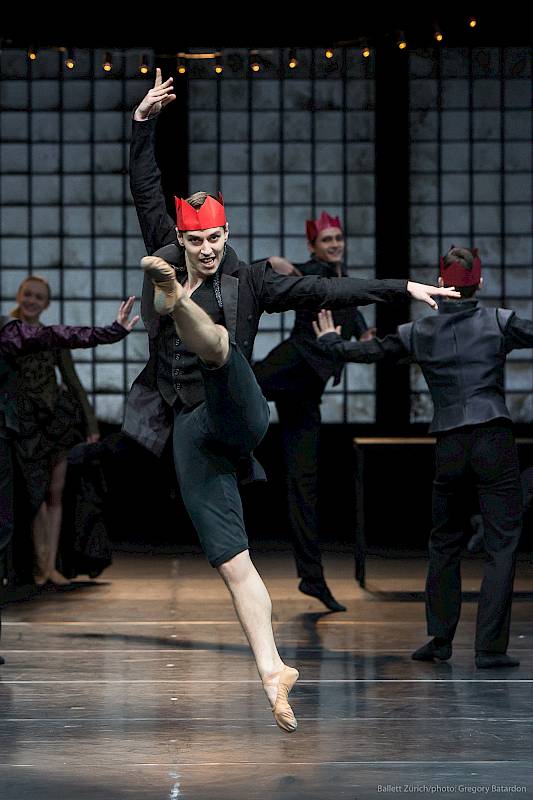
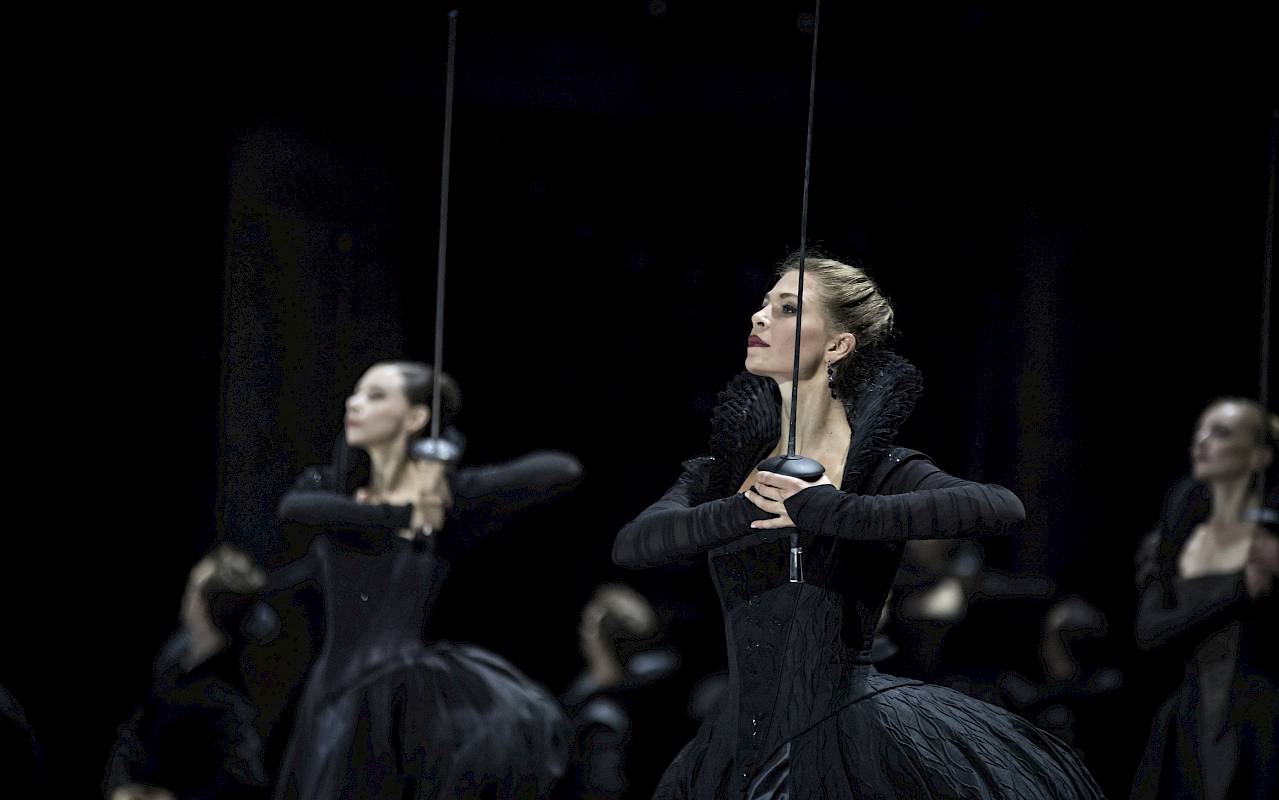
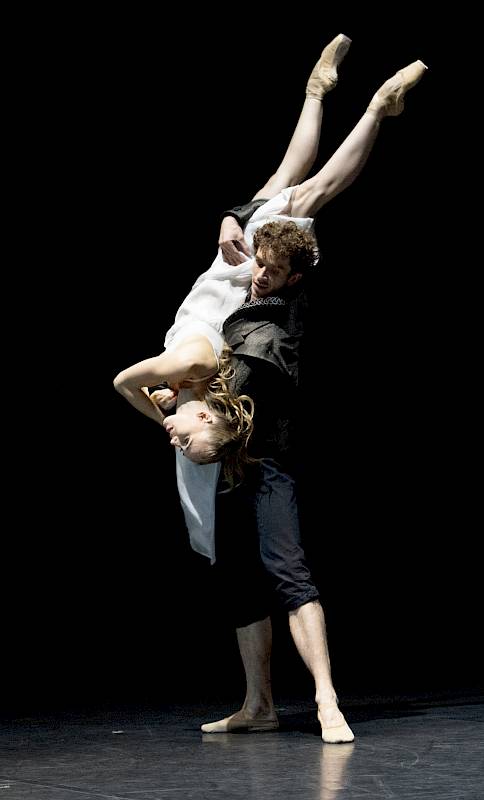
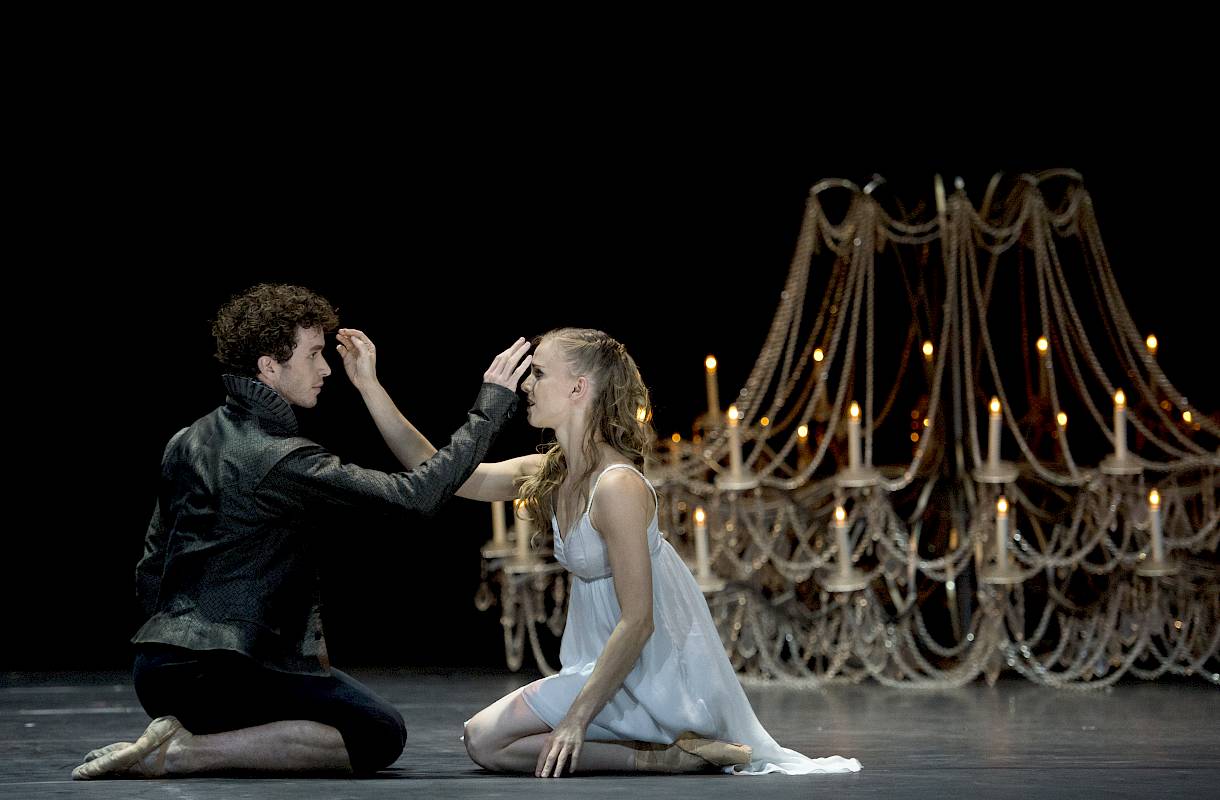
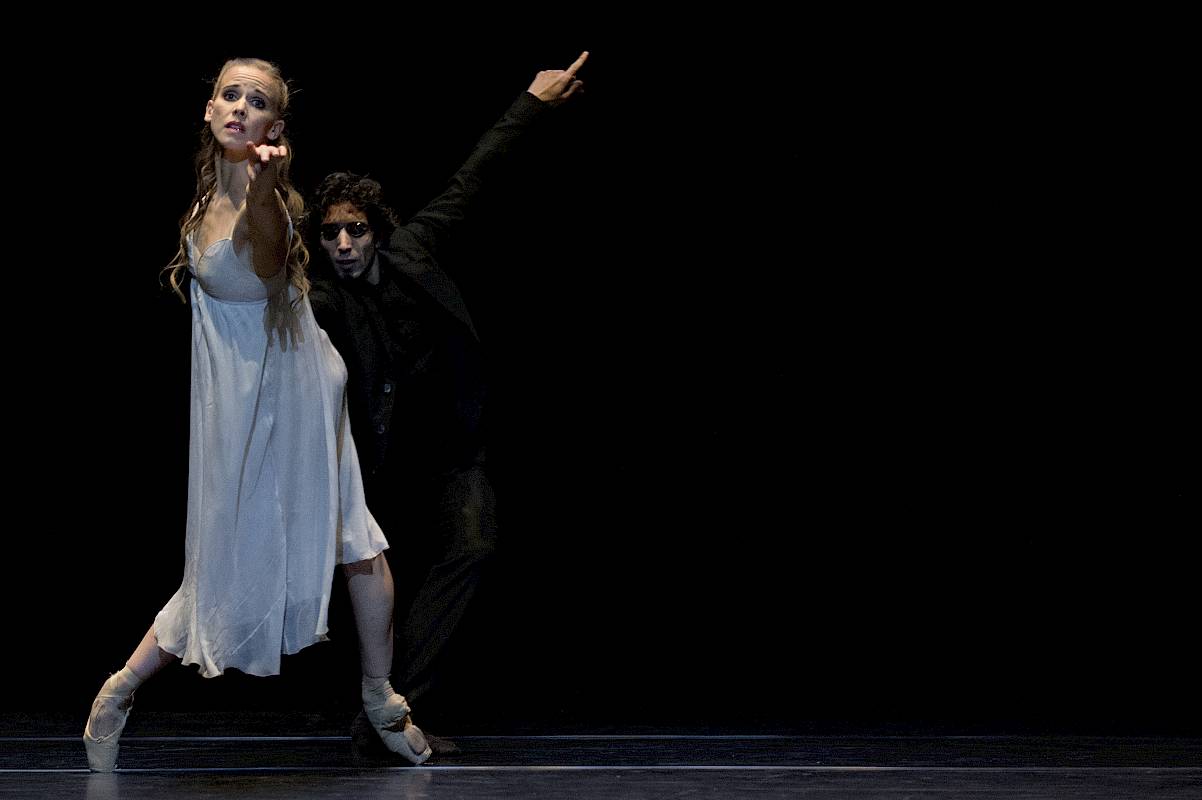
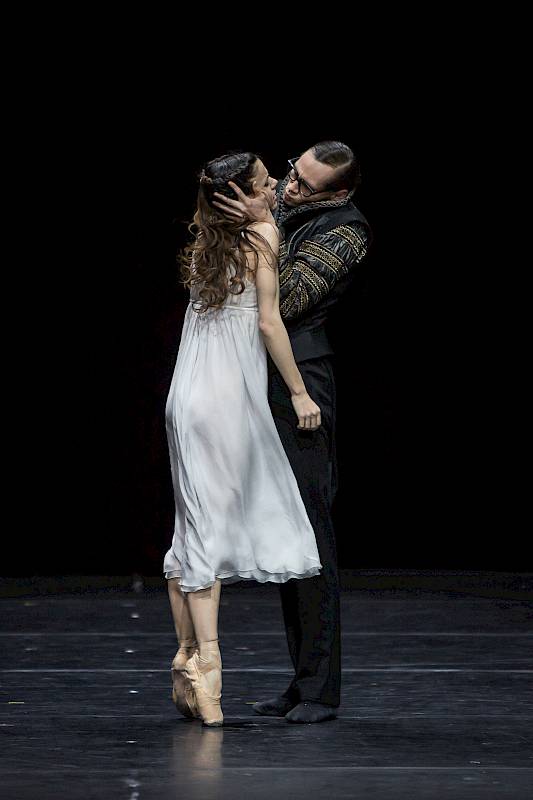
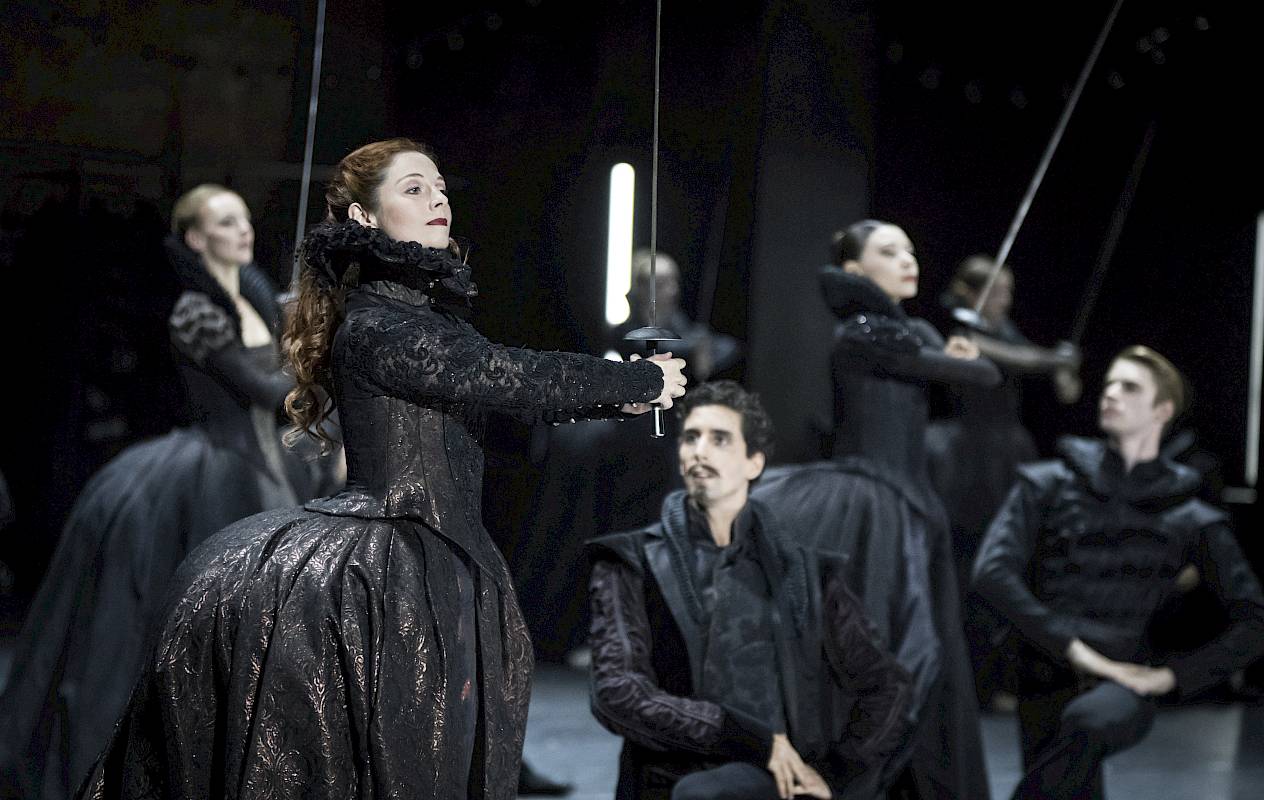
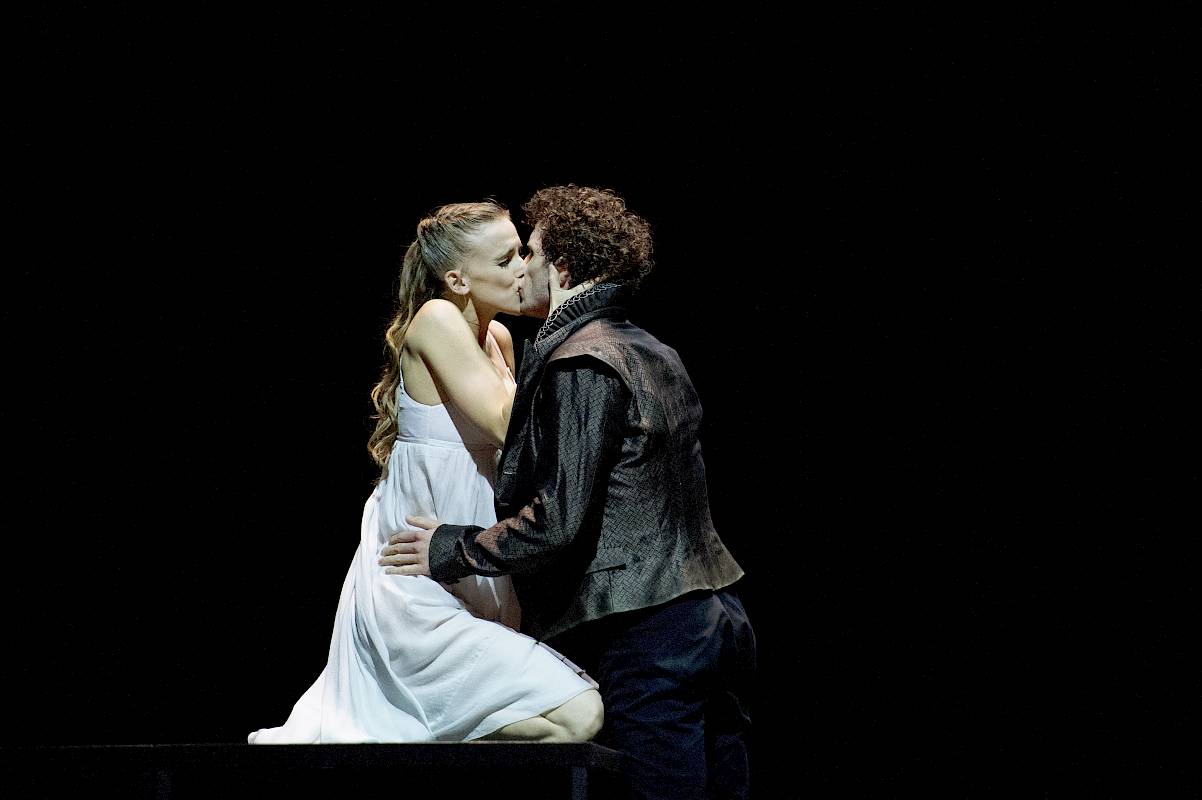
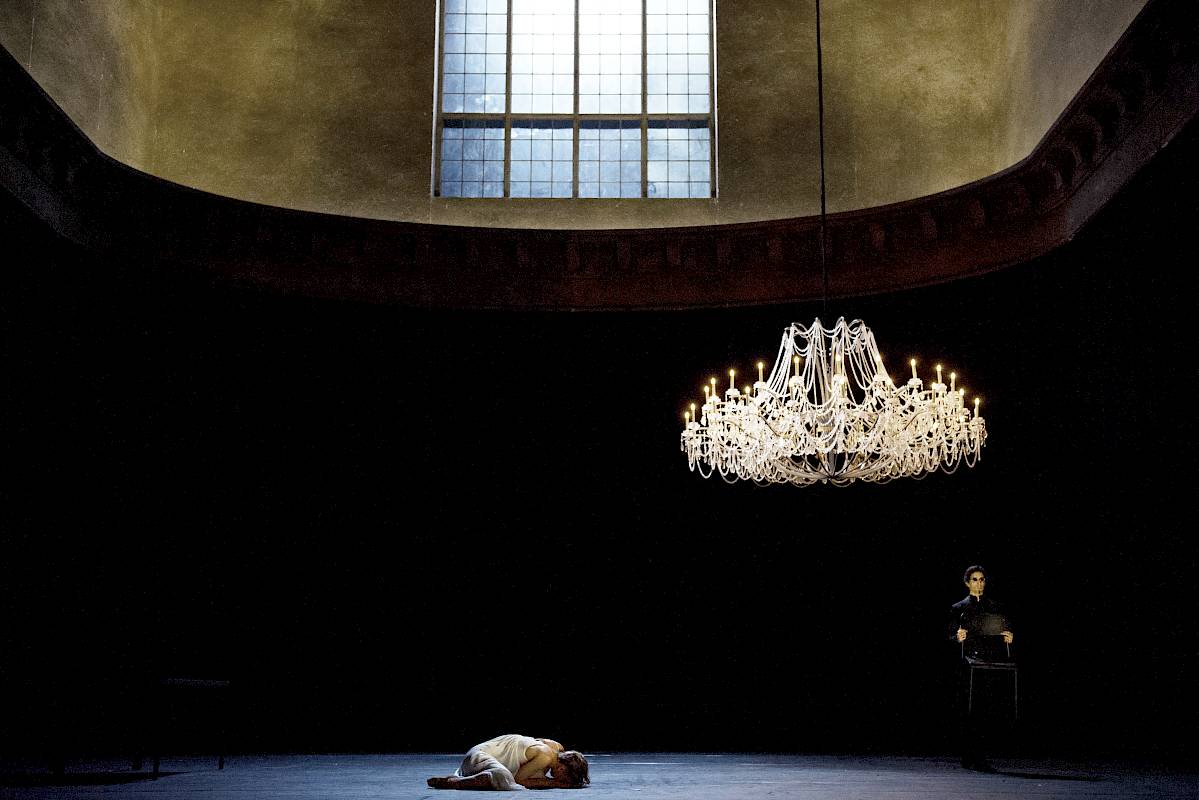
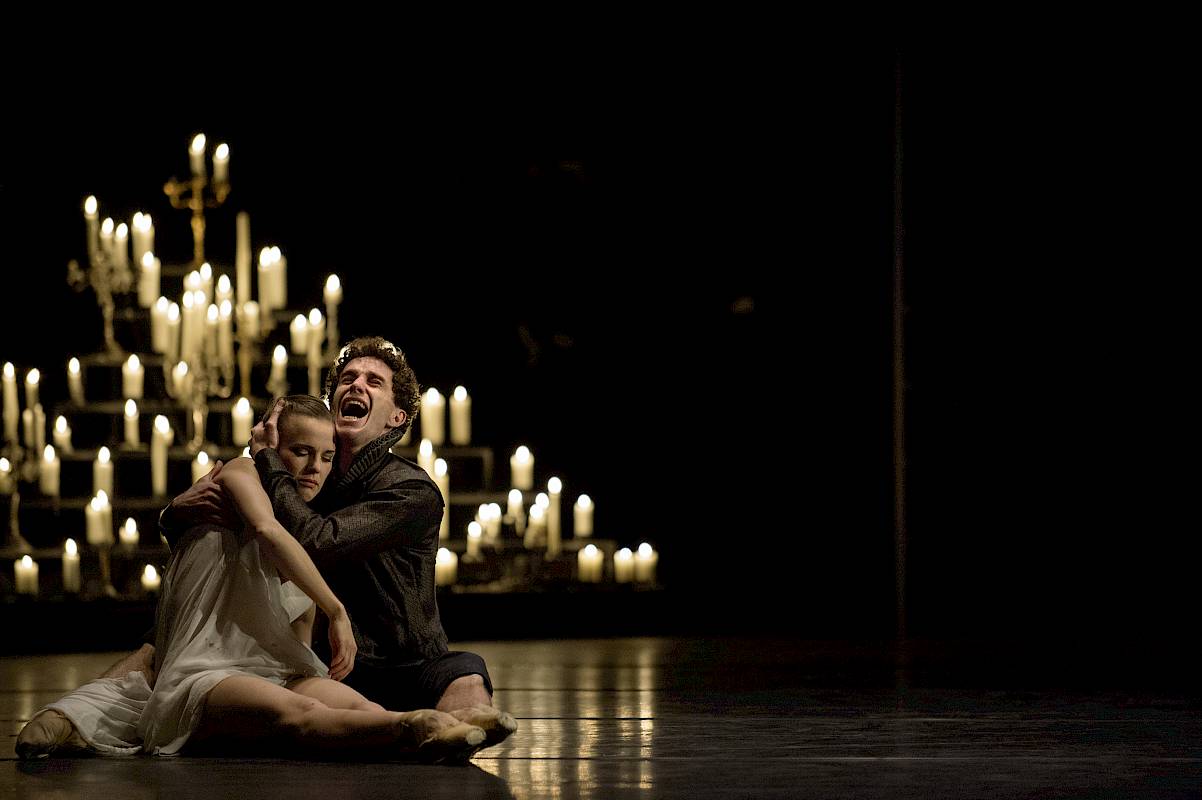
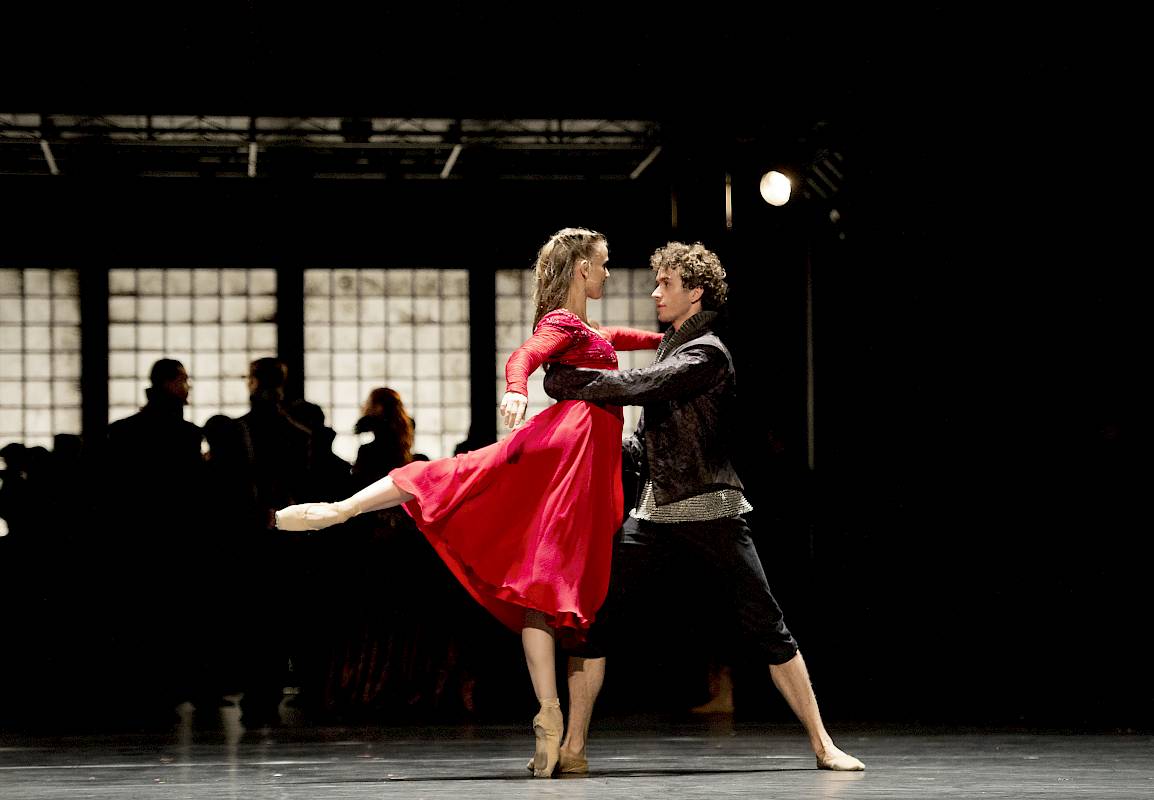
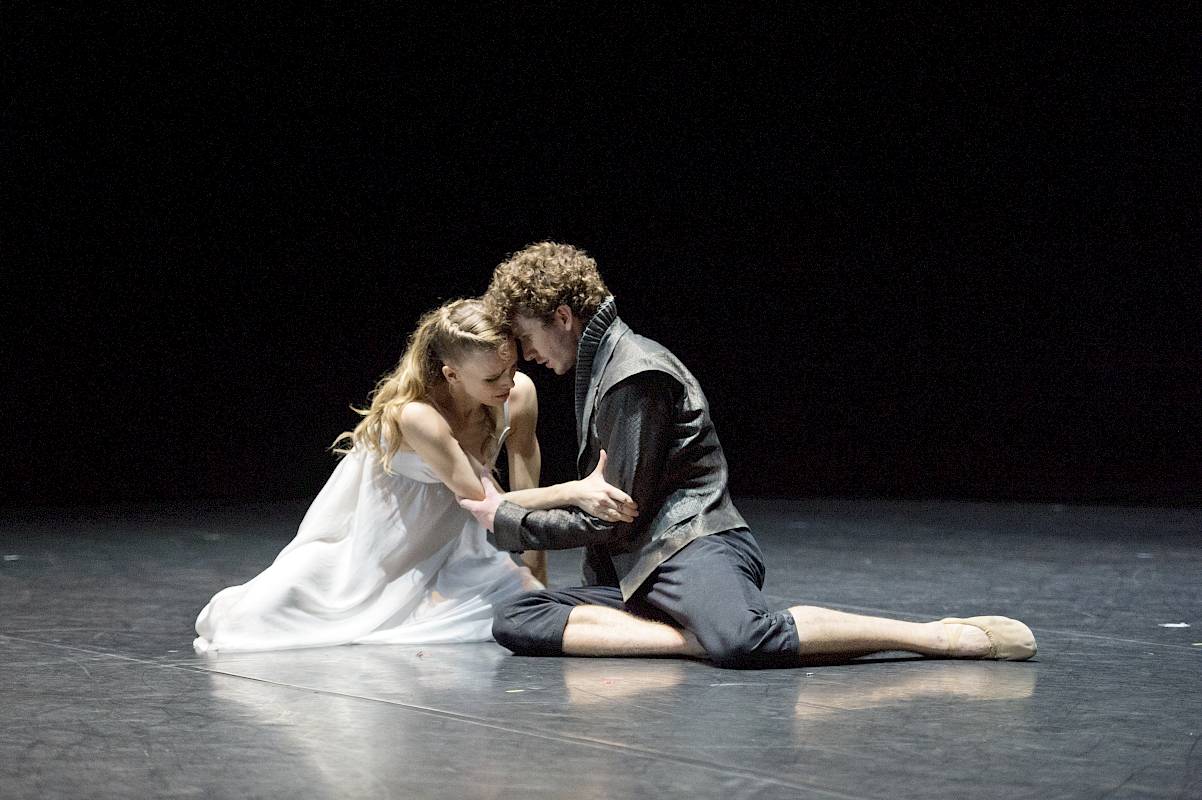
In Shakespeare’s famous tragedy Romeo and Juliet, the power of love enables two young people to rise above themselves to overcome all obstacles. However, because they come from two families engaged in a mortal feud, their union is ill-starred from the very beginning. In the end, Romeo and Juliet pay for their love with their lives. Shakespeare’s play has inspired generations of artists to adaptations like scarcely any other work. In his colourful, passionate music, the Russian composer Sergei Prokofiev brilliantly captured the clash of love and hatred, and the proximity of tenderness and violence. Although Moscow’s Bolshoi Theatre initially rejected the ballet as insufficiently dance-like, it has now become an indispensable fixture in the international ballet repertoire. Christian Spuck’s production has been celebrated not only in Zurich, but also at guest performances given by Zurich Ballet in Tel Aviv, Bogotá and Stuttgart. Inspired by Prokofiev’s vivid music and the timeless quality of Shakespeare’s tragedy, the choreographer narrates the most famous love story in world literature using strong images that are full of enthralling theatricality and touching emotion. With a theatre-within-a-theatre situation rooted in the acting tradition and a broad, captivating narrative arc, he creates an immediacy of feeling to which no-one can be immune. Michail Jurowski, a true Prokofiev expert, will be at the rostrum of the Philharmonia Zurich.
Mehr lesen Weniger anzeigen

Ballet for all

ballett für alle
Saturday, 22 Jun 2O19

Live broadcast on Sechseläutenplatz
Admission free!

Further information


Photos «Romeo und Julia»


Good to know

Audio introduction «Romeo und Julia»

  1. Audio introduction «Romeo und Julia»

Synopsis

Erster Akt
Die beiden Familien Capulet und Montague sind seit Generationen verfeindet. Wo immer sie und ihre Anhänger sich begegnen, kommt es zu Provokationen und oft tödlich endendem Streit. Angeführt werden die jungen Capulets vom edlen Tybalt, bei den Montagues sind es die unzertrennlichen Freunde Romeo, Mercutio und Benvolio. Die immer heftiger werdenden Auseinandersetzungen der beiden Parteien fordern ständig neue Opfer. Julia, die Tochter der Capulets, vergnügt sich gemeinsam mit ihrer Amme und ihren Freundinnen. Julias Eltern planen die Hochzeit ihrer Tochter mit dem jungen Grafen Paris, der bei einem abendlichen Ball im Hause Capulet um ihre Hand anhalten soll. Von ihrer Mutter erhält Julia ihr erstes Ballkleid. Die drei Montagues Romeo, Mercutio und Benvolio schleichen sich maskiert auf das Fest der Capulets. Dort trifft Julia erstmals auf den Grafen Paris und wird wenig später auf Romeo aufmerksam. Beide verlieben sich auf den ersten Blick. Tybalt erkennt in Romeo einen der verhassten Montagues. Er versucht eine Auseinandersetzung zu provozieren, wird aber von Julias Vater daran gehindert. Romeo und seine Freunde verlassen das Fest. Noch in derselben Nacht zieht es Romeo zurück zu Julia. Beide gestehen sich ihre Liebe.

Zweiter Akt
Bei einem Fest überbringt die Amme in Julias Auftrag einen Brief für Romeo, in dem sie ihn bittet, sich zum Pater Lorenzo zu begeben. Im Beisein der Amme werden Romeo und Julia von Pater Lorenzo getraut. Romeo begibt sich erneut auf das Fest, wo er nicht nur von seinen Freunden, sondern auch von Tybalt erwartet wird. Romeo will einem neuerlichen Streit mit ihm aus dem Weg gehen. Die Situation eskaliert, als Mercutio Tybalt provoziert und im Zweikampf von ihm getötet wird. Um den Tod seines Freundes zu rächen, fordert Romeo Tybalt heraus und verwundet ihn tödlich im Duell. Gräfin Capulet trauert um ihren Neffen und schwört Romeo und den Montagues blutige Rache.

Dritter Akt
Romeo und Julia haben die Nacht miteinander verbracht. Pater Lorenzo und die Amme drängen Romeo zur Flucht vor seinen Verfolgern. Julia lehnt es ab, den Grafen Paris zu heiraten, und wird deshalb von ihren Eltern mit Vorwürfen überhäuft. In ihrer Verzweiflung wendet sich Julia erneut an Pater Lorenzo. Er gibt ihr einen Schlaftrunk, um den Anschein zu erwecken, sie sei gestorben und so ihre Flucht zu ermöglichen. Gegenüber ihren Eltern gibt Julia vor, in die Heirat mit Graf Paris einzuwilligen. Allein gelassen, nimmt sie den Trank zu sich, der sie in einen todesähnlichen Schlaf versetzt. Am nächsten Morgen finden ihre Eltern und Paris die vermeintlich Tote.

Vierter Akt
Julia wird von ihren trauernden Angehörigen beigesetzt. Romeo hat von Julias Tod erfahren und glaubt die schreckliche Nachricht. An Julias Grab wählt er den Freitod. Julia erwacht in dem Moment, da ihr Geliebter stirbt. Sie ersticht sich mit seinem Dolch.